
Introduction
In recent years, the demand for sustainable and cruelty-free products has skyrocketed, with consumers and businesses alike increasingly turning to vegan alternatives. The fashion industry, notorious for its environmental footprint, is undergoing a profound transformation. Leather, often viewed as synonymous with luxury, is now being replaced by innovative, plant-based materials that offer both sophistication and sustainability. Luxury vegan leather suppliers in the UK are leading the charge, offering high-quality alternatives that are as stylish and durable as traditional leather, without the ethical and environmental concerns.
But why is this shift happening now? Statistics reveal that the global market for vegan leather is set to grow by 49.5% between 2021 and 2028, reflecting a growing consumer demand for eco-conscious luxury. As environmental awareness reaches new heights, it’s no surprise that more businesses in the UK are seeking out sustainable materials. Let’s dive into how luxury vegan leather suppliers in the UK are shaping the future of fashion and design.
The Growing Popularity of Vegan Leather in the UK
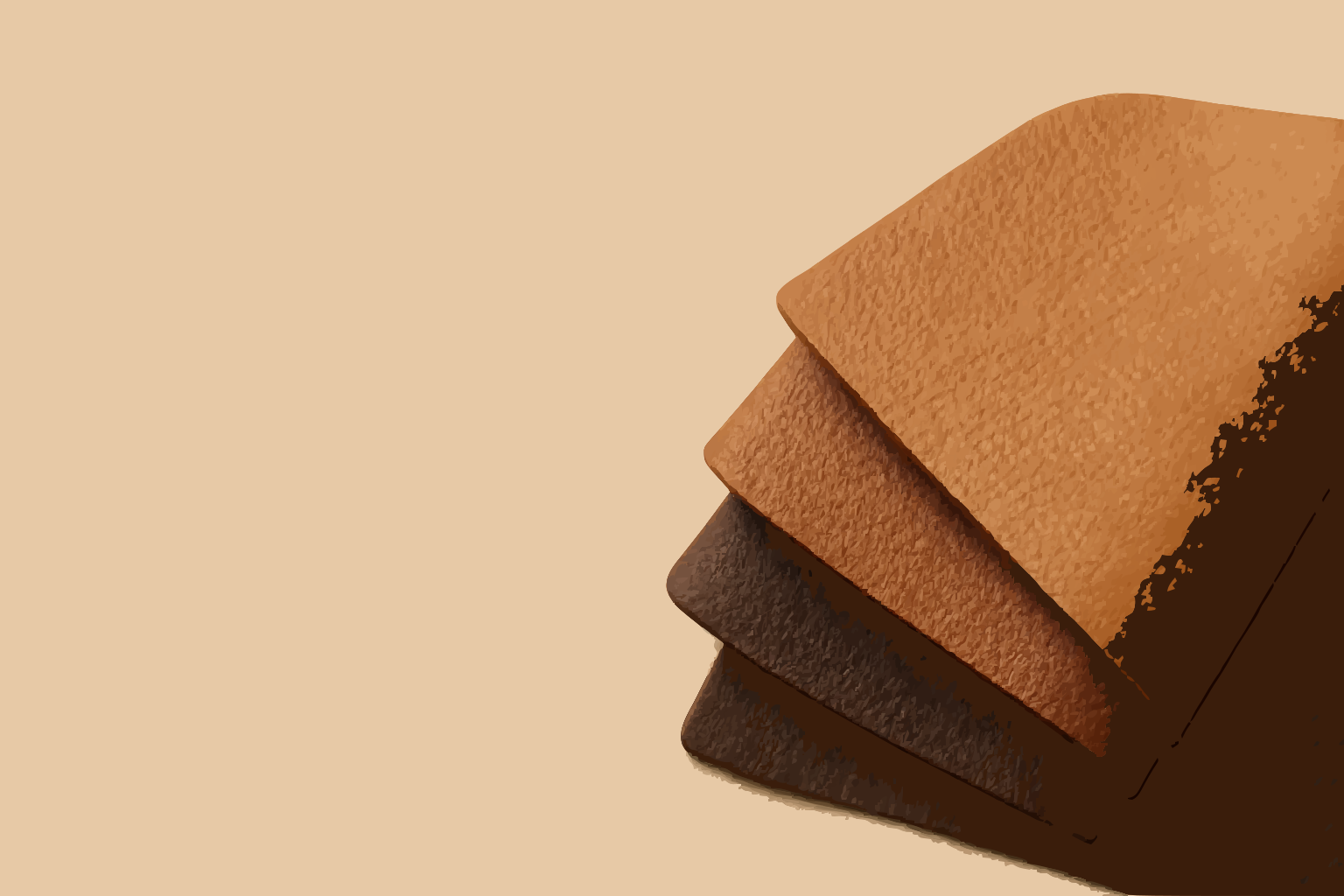
The UK market has witnessed an undeniable rise in demand for vegan leather products, with consumers becoming more discerning about the environmental and ethical implications of their purchases. Unlike conventional leather, which relies on animal products and often involves harmful chemical processes, vegan leather is made from plant-based, synthetic, or even recycled materials.
Luxury vegan leather suppliers in the UK are at the forefront of this shift, offering alternatives that meet the high standards expected by consumers seeking premium quality. From bags to shoes to upholstery, these suppliers are ensuring that luxury doesn’t come at the expense of the planet.
What is driving this growth?
- Environmental Impact: Leather production is responsible for large-scale deforestation, water pollution, and significant greenhouse gas emissions. With sustainable living becoming a key priority for many, vegan leather provides a cruelty-free, eco-friendly alternative.
- Innovation in Materials: Advanced plant-based materials such as pineapple leaves (Piñatex), apple peels, and even recycled plastic bottles are being used to create durable, high-quality vegan leathers. For instance, Bioleather, a plant-based leather alternative made from tomato waste, has emerged as a cutting-edge option for sustainable luxury fashion.
2. Key Players in the UK Luxury Vegan Leather Market
Several suppliers in the UK have established themselves as pioneers in providing high-end vegan leather options. These companies are setting the bar for sustainability, quality, and ethical production. Among the leading suppliers, you’ll find names like:
- Corkor: Specialising in cork leather, this UK supplier offers beautifully crafted, sustainable products that are durable, lightweight, and biodegradable.
- Nanushka: A brand that has gained a reputation for luxury vegan leather fashion, using innovative materials that focus on reducing the brand’s carbon footprint.
- Pinatex: This supplier produces a leather alternative made from pineapple leaves, providing a strong, flexible material for fashion designers seeking to create eco-friendly luxury items.
Bioleather is also a notable addition to the UK market, offering a sustainable, innovative solution made from tomato waste. This alternative not only helps reduce food waste but also provides a high-quality material that mimics the look and feel of traditional leather.
3. Sustainability Benefits of Vegan Leather: Beyond the Ethical Appeal
When we talk about sustainability, it’s not just about avoiding animal products; it’s about reducing environmental damage. Vegan leather, especially from UK suppliers, is revolutionising the industry in the following ways:
- Lower Carbon Footprint: Vegan leather production typically has a significantly lower carbon footprint than traditional leather. For example, while animal leather production contributes to large-scale methane emissions, plant-based leather alternatives are made with renewable resources, cutting down the impact on climate change.
- Water Conservation: Traditional leather tanning can use thousands of litres of water for a single batch of leather, leading to water waste and pollution. By contrast, plant-based leather options, such as those made from waste materials like tomatoes, often require far less water, helping conserve this vital resource.
- Waste Reduction: One of the most impressive aspects of innovations like Bioleather is their use of waste materials that would otherwise end up in landfills. Bioleather, in particular, is produced from tomato waste, turning a food industry byproduct into a valuable, high-quality material for fashion and design.
Expert Insight: According to Anna Lyle, Sustainability Expert at Green Fashion Week UK, “Vegan leather is not just a trend – it’s a conscious shift towards redefining luxury, and materials like Bioleather offer a glimpse into a future where fashion and sustainability co-exist harmoniously.”
4. The Future of Luxury Vegan Leather in the UK: What to Expect
Looking ahead, the demand for luxury vegan leather suppliers in the UK is only expected to grow as consumers become increasingly aware of the environmental and ethical costs of traditional leather. What can we expect in the future?
- Increased Material Innovation: As technology and sustainability efforts advance, expect even more innovative materials to be used in the production of luxury vegan leathers. Materials derived from mushrooms (mycelium), algae, and other bio-based resources are likely to become more widespread.
- Fashion Industry Adoption: High-end brands are already jumping on the vegan leather bandwagon, with more likely to follow suit. Expect to see vegan leather becoming a staple in the luxury fashion world, from runway shows to everyday wearables.
- Circular Economy Models: Many UK suppliers are beginning to adopt circular economy principles, ensuring that products made from vegan leather can be easily recycled or repurposed at the end of their lifecycle.
5. Why Bioleather is a Leading Example of Sustainable Innovation
Among the various vegan leather alternatives, Bioleather stands out as an innovative solution that aligns perfectly with the growing demand for sustainable, high-quality materials. Made from tomato waste, Bioleather provides an exciting alternative to traditional leather, offering the following benefits:
- Upcycled Production: Bioleather helps combat food waste by using discarded tomato skins and seeds, turning these into a valuable resource for fashion designers and brands.
- Durability & Flexibility: Despite its plant-based origins, Bioleather mimics the texture, durability, and appearance of real leather, offering a premium product that meets the demands of luxury fashion.
- Zero Toxic Chemicals: Unlike traditional leather tanning, which often involves harmful chemicals like chromium, Bioleather uses non-toxic processes, ensuring a safer product for both people and the planet.
Conclusion: The Future is Bright for Luxury Vegan Leather in the UK
As the demand for sustainable, cruelty-free products continues to rise, the future of luxury vegan leather in the UK looks incredibly promising. Suppliers offering innovative materials like Bioleather are redefining the way we think about fashion, offering eco-friendly alternatives that are both luxurious and ethical. Whether you’re a designer, manufacturer, or consumer, embracing vegan leather is a step towards a more sustainable future.