
Introduction
Sustainability is at the forefront of today’s fashion and design industries, and ethical textile innovation is leading the way. As consumers demand eco-friendly alternatives, the UK is becoming a hub for cutting-edge developments in sustainable fabrics, materials, and processes. In fact, a recent report by Mintel revealed that 45% of UK consumers consider sustainability when purchasing clothing, signalling a significant shift in buying behaviours.
One of the most exciting areas of growth is the development of ethical textile innovation in the UK. Companies are increasingly focused on creating textiles that are not only high quality but also kind to the planet. Innovations like Bioleather, a plant-based leather alternative made from tomato waste, are redefining what sustainable materials can be. This shift is not just about reducing environmental impact; it’s about creating materials that help regenerate ecosystems and encourage responsible production practices.
In this post, we’ll explore the top ethical textile innovations happening in the UK, their impact on the fashion and design industries, and how these developments are helping us transition towards a more sustainable future.
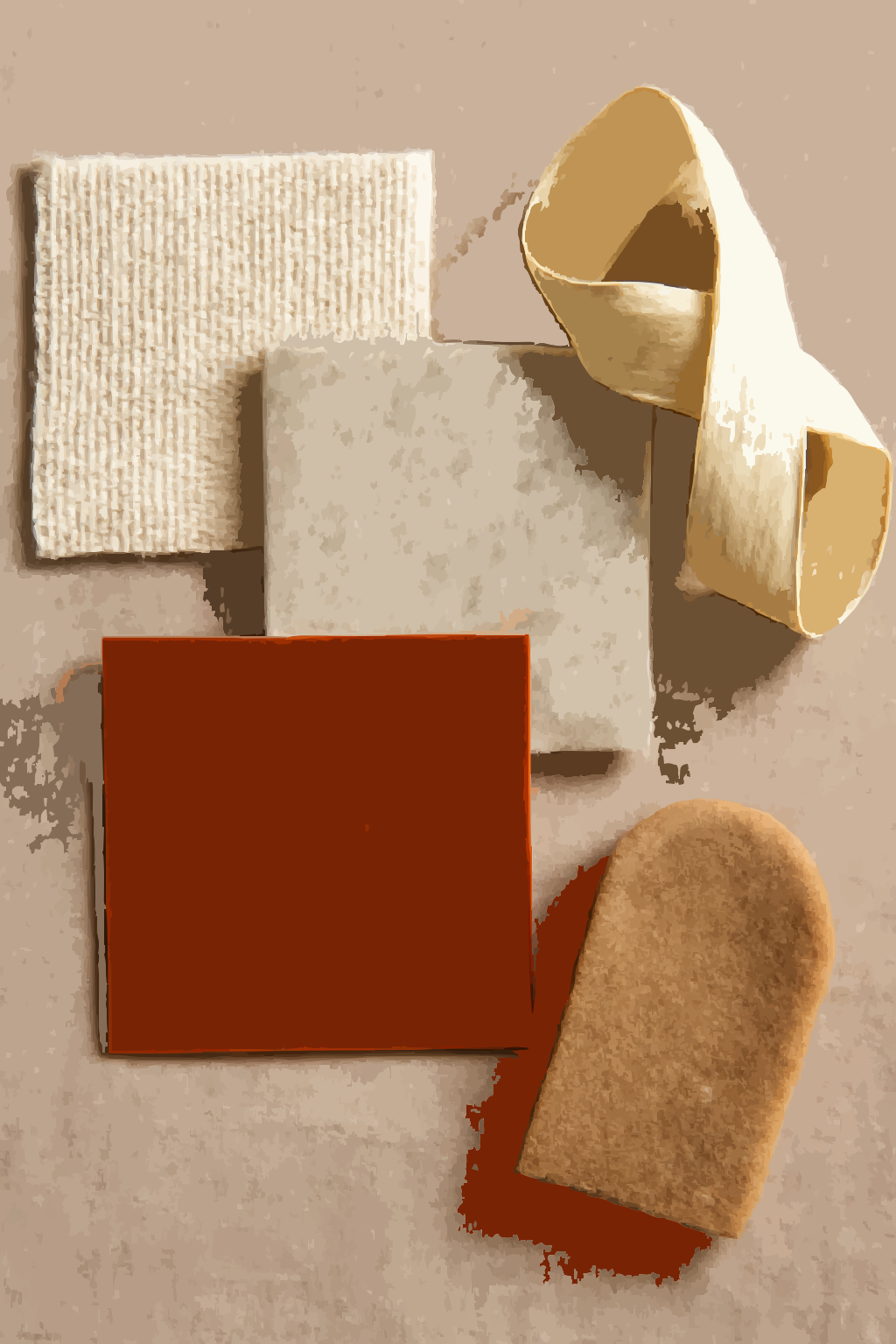
What Is Ethical Textile Innovation?
Ethical textile innovation refers to the development and adoption of textiles that are environmentally friendly, socially responsible, and economically viable. These innovations aim to reduce the negative impact of textile production by using sustainable materials, ethical labour practices, and environmentally conscious processes. Whether it’s by creating recyclable fabrics, developing biodegradable materials, or utilising waste streams, ethical textile innovation is helping redefine the way we think about and use textiles.
Key elements of ethical textile innovation include:
- Sustainable raw materials: Using organic, plant-based, or recycled fibres to replace traditional textiles like cotton, polyester, and leather.
- Low-impact manufacturing processes: Reducing water usage, energy consumption, and toxic chemicals used in textile production.
- Circular economy models: Encouraging the recycling and upcycling of materials, extending the lifecycle of textiles.
As sustainability becomes a key focus in industries worldwide, the UK has emerged as a leader in driving ethical textile innovations. From fashion to interiors and automotive design, the UK is home to some of the most groundbreaking advancements in textile sustainability.
Groundbreaking Ethical Textile Innovations in the UK
1. Bioleather: A Sustainable Alternative to Traditional Leather
One of the most notable examples of ethical textile innovation UK is Bioleather. Made from tomato waste—such as skins and seeds—Bioleather offers a plant-based, cruelty-free alternative to conventional leather. Unlike traditional leather, which requires animal farming and toxic chemicals for tanning, Bioleather reduces the environmental impact of leather production by using food waste that would otherwise be discarded.
Bioleather’s advantages include:
- Reduced carbon footprint: Its production process generates fewer emissions than conventional leather.
- Waste minimisation: It repurposes agricultural by-products, helping to reduce landfill waste.
- Biodegradability: Bioleather can naturally decompose, unlike plastic-based synthetic leathers.
With the growing demand for sustainable materials, Bioleather is gaining traction in industries such as fashion, furniture design, and automotive interiors.
Expert Perspective:
Dr. Chloe Brimicombe, a leading sustainability expert, says, “Bioleather is a prime example of how ethical textile innovation is making a positive impact. Not only is it a viable alternative to leather, but it also addresses key environmental concerns such as waste and carbon emissions.”
2. Mycelium Leather: Fungi-Based Innovation
Another key development in ethical textile innovation is mycelium leather. Made from the root structure of fungi, mycelium is a naturally sustainable material that is fast-growing and can be cultivated in a matter of days. It requires minimal resources to produce and can be shaped into a variety of textures and forms that mimic animal leather.
The advantages of mycelium leather include:
- Low resource requirements: It needs little water and energy to grow, unlike traditional leather production.
- Fully biodegradable: Mycelium leather decomposes naturally, reducing environmental waste.
- Customisable: The texture and appearance can be tailored during production, making it a versatile alternative.
As mycelium leather technology advances, it is expected to become an integral part of the UK’s sustainable textile landscape.
3. Recycled Textiles and Upcycled Fabrics
The recycling and upcycling of textiles are also at the forefront of ethical textile innovation in the UK. Companies are now able to create high-quality fabrics from post-consumer waste—such as old garments, plastic bottles, and discarded textiles. This reduces the need for new raw materials, which in turn helps conserve natural resources and reduce waste.
For example, recycled polyester is produced from plastic bottles that would otherwise end up in landfills. Brands like Patagonia and Revolve are already using recycled textiles in their collections, showing the growing trend towards circularity in fashion.
Upcycling takes this a step further by reusing existing materials, such as fabric scraps or old clothing, and transforming them into new products. This reduces waste while also preserving the value of the original material.
4. Hemp and Bamboo Fabrics
Hemp and bamboo are two of the most sustainable fibres available today. Both plants grow quickly, require minimal water, and are naturally pest-resistant, meaning they can be cultivated without pesticides. These fibres are being used to create textiles that are biodegradable, durable, and eco-friendly.
- Hemp is strong and resistant to wear and tear, making it ideal for clothing and upholstery.
- Bamboo fabrics are soft and moisture-wicking, making them popular in fashion and home textiles.
As part of the ethical textile innovation movement in the UK, hemp and bamboo are becoming increasingly popular due to their low environmental impact.
Why Ethical Textile Innovation Matters in the UK
The UK is known for its forward-thinking approach to sustainability, and ethical textile innovation is central to its efforts to reduce carbon emissions and waste. The UK government’s net-zero emissions target by 2050 means that industries must find ways to reduce their environmental impact. The textile industry, with its reliance on conventional materials, has a significant role to play in this transformation.
In addition to environmental concerns, ethical textile innovation is also about improving social conditions. Many sustainable materials, like mycelium leather or Bioleather, are produced without the exploitation of workers or animals, promoting ethical labour practices and cruelty-free production.
Consumer Demand for Sustainable Materials
As consumers become more conscious of their environmental impact, the demand for ethical, sustainable products is increasing. According to a 2022 report by Nielsen, 66% of global consumers are willing to pay more for products that are sustainably produced. In the UK, this is reflected in a growing market for ethical fashion and home goods, where products made from sustainable textiles are gaining popularity.
Conclusion: The Future of Ethical Textile Innovation in the UK
The ethical textile innovation landscape in the UK is vibrant and full of potential. From Bioleather to mycelium leather, and from recycled fabrics to plant-based fibres, the future of textiles is looking brighter and more sustainable than ever before. As businesses and consumers embrace ethical material choices, the UK is positioned to continue leading the way in textile innovation.