
The fashion, furniture, and automotive industries are increasingly moving away from animal-derived products in favour of more sustainable and ethical alternatives. One of the most exciting developments in this space is the rise of plant-based leather alternatives, which are helping reduce the environmental impact of traditional leather production. In the UK, businesses and consumers are on the lookout for the best plant-based leather alternative, driven by a desire to embrace sustainability and protect animal rights.
One such innovation is Bioleather, a sustainable, plant-based leather alternative made from tomato waste. This eco-friendly material is revolutionising industries that traditionally relied on animal leather, offering a durable and cruelty-free solution that meets both environmental and ethical standards. In this blog post, we’ll dive into the best plant-based leather alternatives available in the UK, exploring their benefits and how they can help businesses and consumers make a positive impact on the planet.
What is Plant-Based Leather?
Understanding Plant-Based Leather Alternatives
Plant-based leather, also known as vegan leather or synthetic leather, is a material made from renewable plant sources. Unlike traditional leather, which is derived from animal hides, plant-based leather is designed to mimic the texture, durability, and aesthetic of animal leather while offering a more sustainable and cruelty-free option.
There are various types of plant-based leathers available, each made from different natural materials. These include options made from pineapples, mushrooms, apples, and even agricultural waste like banana fibres. In the UK, the demand for these alternatives is growing rapidly as consumers and businesses alike look for ethical and environmentally friendly solutions to replace animal-based products.
The Environmental Impact of Plant-Based Leather
The environmental benefits of plant-based leather are significant. Traditional leather production is resource-intensive, requiring vast amounts of water and chemicals. In contrast, plant-based leathers are made using renewable plant materials, reducing the need for animal agriculture and its associated environmental costs. Additionally, many plant-based leathers are biodegradable, unlike their synthetic counterparts, which can take hundreds of years to decompose.
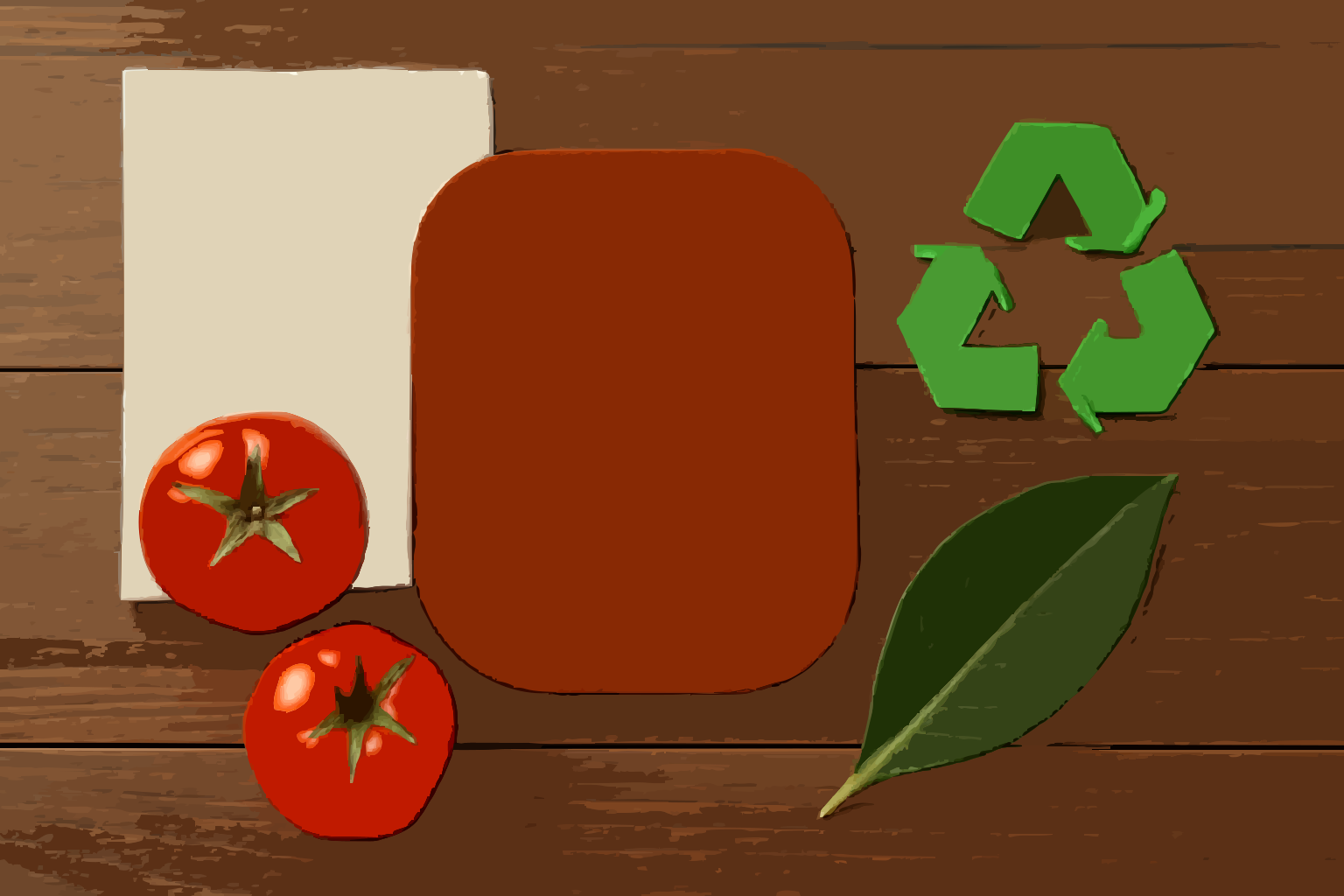
One of the leading plant-based leather alternatives in the UK is Bioleather, which is made from tomato waste—a by-product of the food industry. This sustainable material not only reduces waste but also helps minimise the environmental impact of leather production.
Why Bioleather is the Best Plant-Based Leather Alternative UK
Sustainable Production from Tomato Waste
Bioleather is one of the most innovative plant-based leather alternatives available in the UK today. Made from tomato waste, a by-product from the food industry, Bioleather offers a sustainable alternative to traditional leather without the need for animal products or harmful chemicals. The production of Bioleather requires significantly less water and energy compared to conventional leather, making it an eco-friendly choice for businesses looking to reduce their carbon footprint.
The use of tomato waste is particularly appealing because it diverts food industry by-products from landfills, reducing food waste. This makes Bioleather a great example of a circular economy model—turning waste into a valuable resource while helping to address sustainability challenges.
Durability and Versatility
Despite being plant-based, Bioleather is highly durable and versatile. It can be used in a wide range of products, from fashion accessories like bags and shoes to furniture and even car interiors. This durability makes it a viable alternative to animal leather, providing businesses with a high-quality material that aligns with ethical and sustainable values.
In addition to its durability, Bioleather also offers a similar aesthetic and feel to traditional leather. Its smooth texture and rich colour options make it an attractive choice for designers who want to create luxury products without relying on animal-derived materials.
Cruelty-Free and Eco-Friendly
One of the main selling points of Bioleather is its cruelty-free nature. As consumers become more conscious of animal rights, demand for ethical alternatives to animal leather is on the rise. Bioleather offers a solution that aligns with vegan and cruelty-free principles, allowing consumers to enjoy leather-like products without contributing to animal exploitation.
In terms of environmental impact, Bioleather also stands out. Unlike many synthetic leathers, which are made from petroleum-based plastics, Bioleather is fully biodegradable, making it an environmentally responsible choice. Its production process is designed to minimise waste, conserve resources, and reduce harmful emissions, contributing to a cleaner, greener future.
Other Plant-Based Leather Alternatives in the UK
Apple Leather
Apple leather is made from the fibres of discarded apples, typically sourced from the food industry. It is soft, durable, and eco-friendly, offering a sustainable alternative to traditional leather. Apple leather is biodegradable and free from harmful chemicals, making it a great choice for fashion and upholstery.
Piñatex (Pineapple Leather)
Piñatex is another innovative plant-based leather alternative made from pineapple leaf fibres. This material is not only strong and durable but also lightweight and flexible, making it ideal for a range of applications, from footwear to fashion accessories. Piñatex is also biodegradable and produced using a low-energy process, making it a sustainable option.
Mushroom Leather (Mycelium Leather)
Mushroom leather, also known as mycelium leather, is made from the root structure of mushrooms. It is a flexible, durable, and biodegradable material that is often used in fashion and upholstery. Mycelium leather is considered one of the most eco-friendly leather alternatives due to its low environmental impact and fast-growing nature.
The Benefits of Plant-Based Leather Alternatives
Reduced Environmental Footprint
Plant-based leather alternatives like Bioleather offer a significant reduction in environmental impact compared to traditional leather. They require fewer resources to produce, such as water and land, and are biodegradable, reducing waste in landfills. By choosing plant-based leather, businesses and consumers can help mitigate the environmental harms caused by animal agriculture and synthetic leather production.
Ethical Sourcing and Cruelty-Free
With increasing awareness of animal rights, many consumers are demanding cruelty-free products. Plant-based leather provides a viable solution to this demand, offering a cruelty-free alternative to animal leather without compromising on quality or durability. Materials like Bioleather are made from waste products, reducing food waste while providing an ethical alternative.
Support for Circular Economy and Sustainability
The production of plant-based leather aligns with the principles of the circular economy, where waste is repurposed into valuable materials. By using food industry by-products like tomato waste, Bioleather helps reduce waste and supports more sustainable production methods. As demand for eco-friendly products grows, plant-based leather is becoming a key component of sustainable supply chains in the UK and beyond.
Conclusion
The search for the best plant-based leather alternative UK is driven by the need for more sustainable, ethical materials in the fashion, furniture, and automotive industries. Bioleather, made from tomato waste, is leading the way in offering a durable, cruelty-free, and environmentally friendly alternative to traditional leather. By choosing plant-based leather alternatives, businesses and consumers can make a significant positive impact on the planet, reduce waste, and support a more sustainable future.