
As the fashion and design industries evolve, sustainability is taking centre stage. Designers are increasingly seeking materials that align with eco-conscious values and support a circular economy. For those working with leather, the challenge has been finding alternatives that are both high-quality and environmentally responsible. Sustainable leather yardage for designers UK is a growing trend that provides a viable solution to this challenge.
In the UK, designers are exploring plant-based alternatives to traditional leather, such as Bioleather, a sustainable material made from tomato waste. This shift towards more sustainable leather options is not only better for the planet but also meets the growing consumer demand for cruelty-free, eco-friendly products. In this post, we’ll explore the best sustainable leather yardage options for designers in the UK, highlighting the benefits of switching to plant-based materials and how it can enhance your design practice.
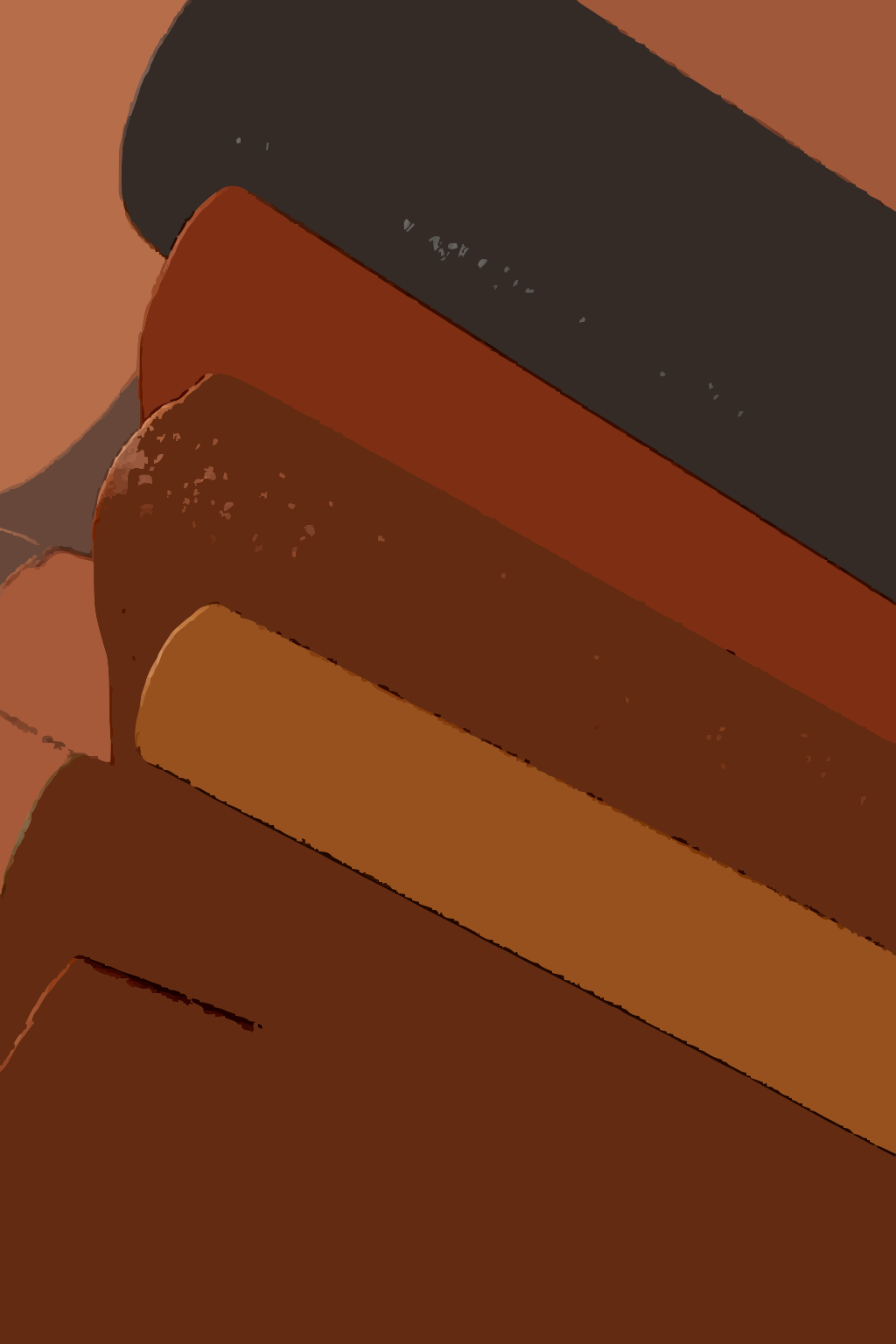
Why Sustainable Leather Yardage Matters for Designers
The Environmental Impact of Traditional Leather
Leather is a timeless material used in a variety of industries, from fashion to furniture to automotive interiors. However, the traditional leather industry has a significant environmental footprint. Leather production requires vast amounts of water, energy, and chemicals, while livestock farming contributes to deforestation and greenhouse gas emissions. As concerns about climate change and sustainability grow, the environmental impact of leather production is increasingly under scrutiny.
For designers looking to create eco-friendly products, sustainable leather yardage for designers UK is the answer. Plant-based and synthetic alternatives are stepping in to replace animal-derived leather, offering a sustainable option that reduces the environmental harm associated with traditional leather production.
Meeting Consumer Demand for Ethical Products
In recent years, consumers have become more conscious of the environmental and ethical implications of their purchases. A 2021 study by Nielsen revealed that 66% of global consumers are willing to pay more for products from brands that are committed to sustainability. This growing demand for sustainable and cruelty-free products has led to an increase in the availability of vegan leather and other plant-based alternatives.
As a designer, sourcing sustainable leather yardage allows you to meet consumer expectations while contributing to environmental preservation. By choosing eco-friendly materials like Bioleather, designers can create high-quality products that align with their values and appeal to ethically-minded consumers.
Best Sustainable Leather Yardage for Designers in the UK
1. Bioleather – Made from Tomato Waste
Bioleather is one of the most innovative plant-based leather alternatives available in the UK. Made from tomato waste, a by-product of the food industry, Bioleather provides a cruelty-free and sustainable solution to traditional leather. It’s biodegradable, durable, and versatile, making it ideal for a wide range of applications, from fashion accessories like handbags to automotive interiors and furniture.
The production of Bioleather is an excellent example of how waste can be repurposed into valuable, high-quality materials. By choosing Bioleather, designers can reduce food waste, lower carbon emissions, and contribute to a circular economy—all while maintaining the aesthetic appeal and durability that leather is known for.
2. Piñatex – Pineapple Leather
Another popular option for sustainable leather yardage is Piñatex, made from the fibres of pineapple leaves. This material is lightweight, durable, and biodegradable, making it a great choice for designers looking for an eco-friendly alternative to traditional leather. Piñatex is commonly used in fashion and upholstery, and it offers a unique, sustainable solution for designers seeking high-performance materials.
Piñatex is produced using a low-energy process, which further reduces its environmental impact compared to traditional leather. It’s an excellent choice for those wanting to incorporate sustainable materials into their designs without compromising on quality or functionality.
3. Mushroom Leather (Mycelium Leather)
Mushroom leather, also known as mycelium leather, is a biodegradable and durable alternative made from the root structure of mushrooms. It’s flexible, strong, and environmentally friendly, with a low environmental impact during production. Designers are increasingly using mushroom leather in fashion, furniture, and automotive applications as a sustainable alternative to traditional leather.
Mycelium leather is versatile, allowing designers to experiment with different textures and finishes, while its eco-friendly properties make it an attractive choice for sustainable fashion and product design.
4. Apple Leather
Made from waste from the apple juice industry, apple leather is another sustainable material gaining popularity. Apple leather is made by processing apple fibres into a flexible, durable material that can be used in fashion, accessories, and upholstery. It’s a great example of how food industry by-products can be repurposed into innovative, eco-friendly materials.
Apple leather is lightweight, breathable, and biodegradable, making it a sustainable choice for designers who want to create environmentally responsible products. It also offers a unique texture and feel, adding to its appeal for fashion designers and interior decorators alike.
Benefits of Using Sustainable Leather Yardage
1. Eco-Friendly Materials
The most obvious benefit of using sustainable leather yardage is its environmental impact. Traditional leather production requires harmful chemicals and large amounts of water, while plant-based alternatives are often biodegradable and made from renewable resources. Materials like Bioleather are produced using food industry by-products, helping to reduce waste and lower the environmental footprint.
Using sustainable leather yardage also helps reduce the reliance on animal farming, contributing to animal welfare and reducing the carbon emissions associated with livestock production.
2. Ethical Sourcing
As a designer, sourcing materials from suppliers that prioritise ethical sourcing is crucial. Many sustainable leather alternatives, such as Bioleather, are cruelty-free and made from materials that would otherwise be discarded. By working with suppliers that use ethical practices, designers can ensure their products align with their values and support businesses that are committed to sustainability.
3. High-Quality, Long-Lasting Products
Sustainable leather alternatives do not compromise on quality. Many plant-based leathers, such as Piñatex and mycelium leather, are highly durable and versatile, offering the same functionality and aesthetic appeal as traditional leather. Whether used in fashion, furniture, or automotive applications, these materials are designed to last, reducing the need for frequent replacements and encouraging long-term use.
4. Appealing to Conscious Consumers
Today’s consumers are increasingly concerned with the ethical and environmental impact of their purchases. By using sustainable leather materials in your designs, you’re appealing to a growing market of eco-conscious consumers who are willing to invest in products that align with their values. Offering sustainable leather options helps attract these consumers and build brand loyalty.
Where to Find Sustainable Leather Yardage in the UK
1. The Sustainable Fashion Collective
The Sustainable Fashion Collective is a UK-based online platform that connects designers with suppliers offering sustainable materials, including vegan and plant-based leathers. They feature a variety of eco-friendly fabrics, including Bioleather and other plant-based alternatives, making it easy for designers to source high-quality, sustainable materials for their collections.
2. Camira Fabrics
Camira Fabrics is known for offering a range of eco-friendly fabrics, including sustainable leather alternatives. Their collection includes materials made from recycled fibres, organic cotton, and plant-based leathers, making them a reliable source for designers looking to incorporate sustainability into their work.
3. Etsy (Independent Suppliers)
For smaller designers or those seeking unique, artisanal materials, Etsy is an excellent marketplace for sustainable leather alternatives. Independent suppliers often offer a wide variety of vegan and plant-based leather materials, such as Piñatex and apple leather, which are perfect for creating eco-friendly designs.
Conclusion
Finding sustainable leather yardage for designers UK has become easier thanks to the growing availability of eco-friendly materials like Bioleather and other plant-based alternatives. By choosing sustainable leather, designers can create high-quality, durable products that align with consumer demand for ethically made, environmentally responsible goods. With so many options available, it’s never been easier to make the switch to sustainable leather alternatives.