
Introduction
The textile and manufacturing industries have long relied on non-renewable resources to fuel production, resulting in significant environmental impact. With the increasing urgency of climate change, sustainability is no longer just a buzzword but a necessity for businesses looking to make a positive impact. In the UK, plant-based material sourcing is gaining momentum as an innovative solution to replace conventional, resource-draining materials. From fashion to furniture, plant-based alternatives are proving to be versatile, durable, and eco-friendly, offering a sustainable future for various industries.
In fact, according to a 2021 survey by the Global Fashion Agenda, over 60% of UK consumers are actively seeking more sustainable products, with many preferring plant-based materials. This shift is not only driven by consumer preference but also by the UK’s stringent environmental regulations and growing awareness of the environmental toll of traditional materials. As industries look to pivot towards eco-friendly solutions, plant-based material sourcing in the UK is becoming an essential aspect of this transformation.
What is Plant-Based Material Sourcing?
Plant-based material sourcing refers to the practice of procuring raw materials derived from plants rather than synthetic or animal-based sources. These materials are typically biodegradable, sustainable, and have a lower environmental footprint. For industries such as fashion, automotive, and furniture, plant-based materials provide an opportunity to reduce dependence on petroleum-based products and animal by-products like leather.
Types of Plant-Based Materials
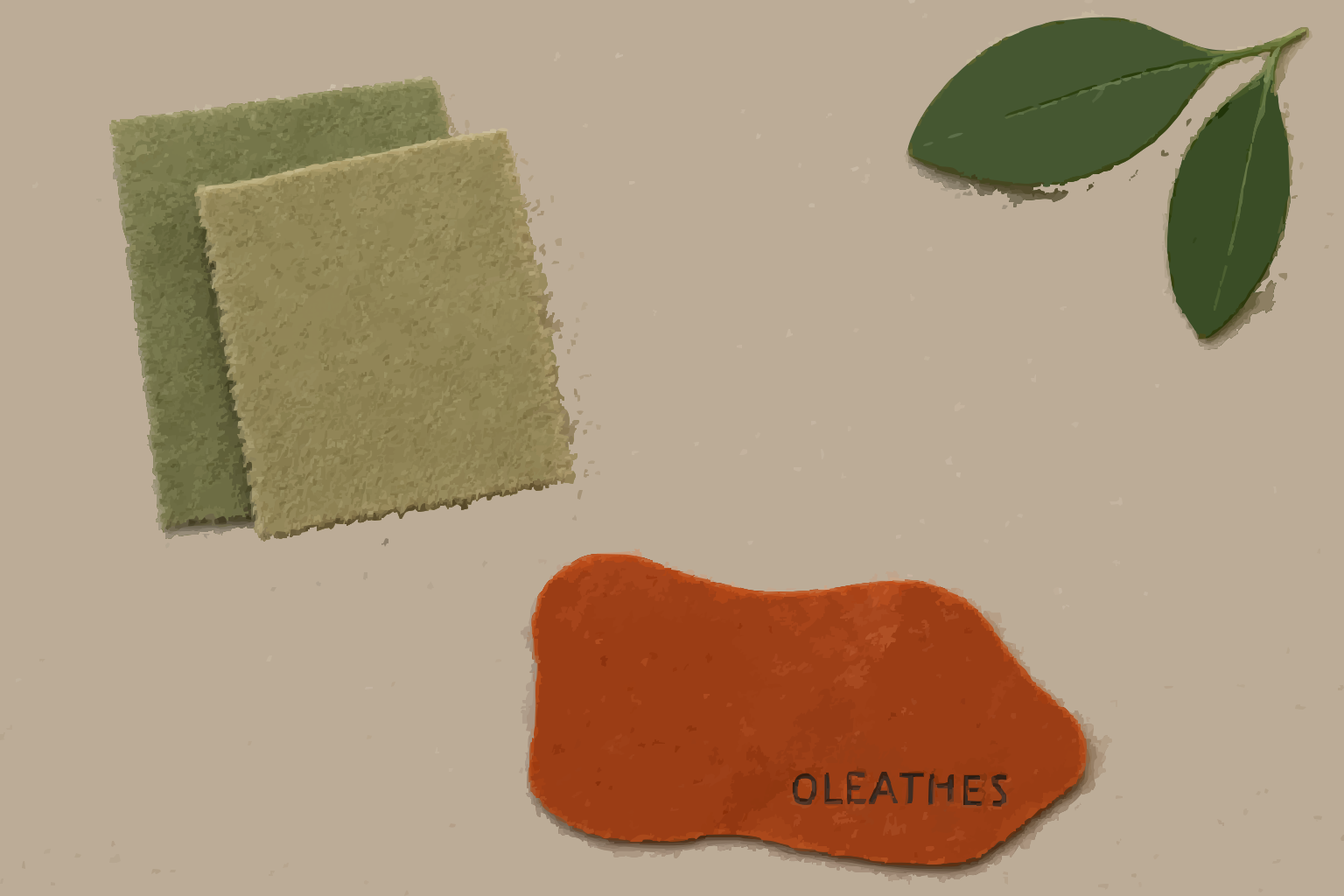
- Plant-Based Leathers: Alternatives to traditional leather made from plants, such as cactus, pineapple, apple, and even tomato waste. A standout example is Bioleather, a plant-based leather made from tomato waste. Bioleather provides the same durability and aesthetic qualities as traditional leather but with significantly less environmental impact.
- Hemp and Organic Cotton: These materials are durable, biodegradable, and require fewer resources to grow than conventional cotton. Hemp, in particular, is known for its low water and pesticide requirements.
- Bamboo: Often used in textiles and home furnishings, bamboo is a rapidly renewable resource that can be converted into a range of products, from fabrics to furniture.
- Mushroom Leather: A new innovation made from the root structure of mushrooms, which can be used as an alternative to animal leather. It is biodegradable, renewable, and non-toxic.
Plant-based materials are contributing to the global move towards a circular economy—where products and materials are reused, regenerated, and recycled—reducing the need for virgin resources.
Why is Plant-Based Material Sourcing Important for the UK?
The importance of plant-based material sourcing in the UK cannot be overstated. Not only does it help businesses reduce their environmental footprint, but it also supports a circular economy and provides alternatives to harmful synthetic materials.
Reducing Environmental Impact
Plant-based materials, particularly those that are biodegradable, offer an environmentally friendly alternative to synthetic fabrics and other non-renewable materials. For example, traditional leather production is resource-intensive and environmentally damaging, requiring vast amounts of water, chemicals, and land. On the other hand, plant-based leathers like Bioleather offer a cruelty-free, sustainable solution, made using waste products that would otherwise go unused.
Bioleather, made from tomato waste, is an excellent example of how plant-based material sourcing in the UK is not only beneficial to the environment but also adds value to waste. With the fashion and automotive industries increasingly exploring alternatives to animal-based and synthetic materials, Bioleather is helping reshape these industries towards more sustainable practices.
Meeting Sustainability Targets
The UK government has committed to reaching net-zero carbon emissions by 2050, and this ambitious goal has spurred the need for businesses to adopt sustainable practices across their supply chains. By turning to plant-based material sourcing, businesses can help reduce emissions associated with raw material production. The adoption of plant-based alternatives not only aligns with government sustainability targets but also helps brands meet consumer expectations for ethical and eco-friendly products.
How Plant-Based Material Sourcing is Transforming Key Industries
Plant-based materials are finding their place in various sectors, contributing to the development of eco-friendly, sustainable products. Here’s a closer look at the sectors that are embracing plant-based alternatives:
Fashion and Textiles
The fashion industry is one of the largest polluters globally, with traditional materials like polyester and leather contributing significantly to waste, carbon emissions, and water pollution. Plant-based fabrics and materials are changing the landscape of fashion by offering alternatives that are both stylish and sustainable.
Bioleather, for example, is now being used by fashion brands as a sustainable alternative to traditional leather. It has the same visual and tactile qualities as leather but is made from upcycled tomato waste, reducing the environmental impact of leather production. The use of plant-based fabrics, such as organic cotton and hemp, is also on the rise, offering environmentally responsible choices for clothing lines and accessories.
Furniture and Upholstery
In the furniture and upholstery industry, plant-based materials are increasingly being used for sustainable, eco-conscious design. Upholstery fabrics made from bamboo, hemp, and organic cotton are being incorporated into home furnishings, while Bioleather is also making its mark as an alternative to leather sofas, chairs, and cushions.
Plant-based materials like these are durable, versatile, and biodegradable, making them an attractive choice for eco-conscious consumers who want to furnish their homes without compromising on style or sustainability.
Automotive and Manufacturing
The automotive industry is another sector where plant-based materials are gaining traction. From car interiors made with plant-based leathers to sustainable composites made from hemp, these materials are contributing to greener vehicle production. Bioleather, for example, has been used by automotive companies as a sustainable alternative to traditional leather for car seats and interior detailing.
As the demand for environmentally friendly transportation options increases, plant-based materials are expected to play a significant role in reducing the carbon footprint of vehicles.
The Challenges of Plant-Based Material Sourcing
While plant-based materials offer a wide range of benefits, sourcing them in a responsible and sustainable manner can pose challenges.
Supply Chain and Scalability
One of the key challenges with plant-based material sourcing in the UK is ensuring a consistent, scalable supply of raw materials. Sourcing plant-based materials often involves working with farmers or manufacturers that use ethical practices and sustainable production methods. While these materials are abundant, scaling production to meet the demands of large industries can be difficult.
Cost and Accessibility
At present, plant-based materials tend to be more expensive than conventional options. This is primarily due to the cost of production and the relatively small scale of the industry. However, as demand increases and technology improves, it’s likely that plant-based materials will become more accessible and cost-competitive.
Conclusion: Embracing a Sustainable Future with Plant-Based Materials
The future of material sourcing in the UK lies in plant-based alternatives. As businesses and consumers continue to prioritise sustainability, plant-based materials offer a way forward. From fashion to furniture to automotive manufacturing, plant-based materials are transforming industries and helping to reduce the environmental impact of traditional materials.
Bioleather, made from tomato waste, is an excellent example of how plant-based material sourcing is revolutionising sectors traditionally reliant on synthetic or animal-based materials. By choosing plant-based alternatives, businesses can reduce their carbon footprint, meet sustainability targets, and cater to a growing base of eco-conscious consumers.