
Introduction: The Need for Sustainable Alternatives
The fashion industry is one of the largest polluters globally, with leather production contributing significantly to environmental degradation. However, a breakthrough innovation is changing the landscape — leather made from tomatoes. Yes, you read that right. In the UK, a new trend is emerging that turns tomato waste into high-quality, plant-based leather alternatives, offering a sustainable solution to an age-old problem.
With the rise of eco-conscious consumers and a growing demand for sustainable materials, innovations like leather made from tomatoes are gaining traction. This trend is not just a passing fad but a crucial step toward reducing the fashion industry’s carbon footprint and promoting a circular economy.
As the UK pushes for a greener future, it’s time to explore how leather made from tomatoes is reshaping industries, offering a viable alternative to traditional animal-based leather.
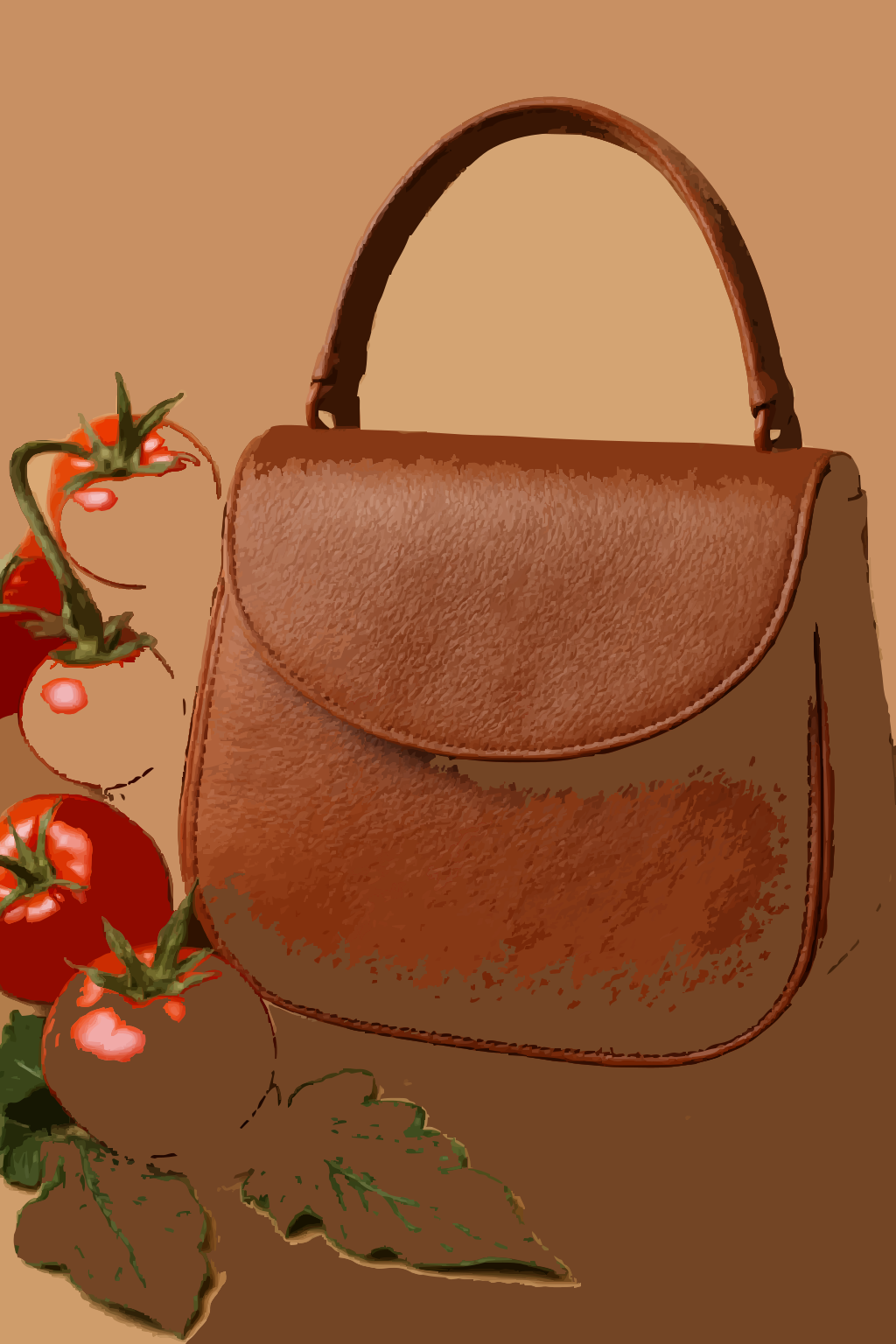
What is Leather Made from Tomatoes?
Understanding the Process
Leather made from tomatoes is an innovative, plant-based material crafted from tomato waste. This sustainable leather alternative is made by transforming the skins, seeds, and pulp left over from tomato processing into a durable material that mimics the feel and appearance of animal leather.
The process involves turning these tomato by-products into a form of bio-based polyurethane (PU) which can then be shaped into products such as shoes, bags, and clothing. The result is a material that not only reduces waste but also offers a significantly lower environmental impact than traditional leather production.
Why Tomatoes?
Tomatoes are a common agricultural product, with large quantities of waste produced during processing. Rather than letting this waste go to landfills, the tomato’s natural fibres and cellulose content are repurposed, transforming what would be waste into a valuable resource.
This form of bio-based leather is a perfect example of how we can turn everyday materials into sustainable alternatives. The result is a leather-like material that is durable, flexible, and biodegradable — all without the environmental toll of animal farming or synthetic leather production.
The Environmental Benefits of Leather Made from Tomatoes UK
Reducing Carbon Footprint
Traditional leather production is highly resource-intensive, requiring vast amounts of water, chemicals, and energy. In contrast, leather made from tomatoes has a significantly lower carbon footprint. According to the European Commission, it takes around 15,000 litres of water to produce just one kilogram of traditional leather, while the process of making tomato leather uses far fewer resources.
By opting for tomato-based leather, industries can significantly reduce their reliance on animal-based materials, helping cut greenhouse gas emissions and conserve natural resources. This shift is particularly timely as the UK aims to reach net-zero emissions by 2050.
Minimising Waste and Supporting Circular Economy
In the UK alone, millions of tons of food waste are generated every year. The idea of converting tomato waste into a valuable, sustainable product speaks directly to the circular economy model, where waste is minimised, and resources are reused. Not only does this innovation provide an eco-friendly alternative to leather, but it also helps tackle the food waste crisis by giving discarded tomatoes a second life.
Using waste from the agricultural sector to create high-quality leather alternatives also fosters a more resilient, sustainable system that relies on renewable resources rather than non-renewable ones.
The Growing Popularity of Plant-Based Leathers in the UK
Consumer Demand for Sustainability
As consumers in the UK become more conscious of their environmental impact, the demand for sustainable products continues to rise. According to a survey conducted by the British Fashion Council, 67% of UK consumers consider sustainability a critical factor when making purchasing decisions. This shift is leading brands to seek more eco-friendly alternatives to traditional materials, including leather.
Brands that adopt sustainable practices and materials are not only meeting the growing demand for eco-conscious products but are also positioning themselves as leaders in the fight against climate change. Leather made from tomatoes offers a viable, high-quality alternative for fashion brands looking to align their products with the values of today’s consumers.
An Innovative Solution for Ethical Fashion
Fashion brands in the UK are increasingly moving away from using animal-based leather due to ethical concerns about animal welfare. With leather made from tomatoes, these brands can offer their customers an ethical and cruelty-free alternative without sacrificing style or durability.
Furthermore, tomato leather is vegan, which adds an extra layer of appeal for those seeking products that align with plant-based lifestyles. With so many options available today, consumers no longer have to compromise on quality or ethics when it comes to purchasing leather goods.
Bioleather: A Leading Example of Tomato-Based Leather Innovation
Revolutionising Fashion with Tomato Waste
One of the most notable examples of leather made from tomatoes in the UK is Bioleather. This innovative company is pioneering the development of a high-performance, sustainable alternative to traditional leather using tomato waste. Bioleather’s products, which include handbags, footwear, and accessories, are made from the by-products of tomato processing, providing a biodegradable solution to one of fashion’s most pressing challenges.
By utilising tomato waste, Bioleather is offering a cleaner, greener alternative to animal leather, and is quickly becoming a favourite among environmentally conscious consumers. Their commitment to sustainability extends beyond the materials used — Bioleather products are manufactured with minimal environmental impact, ensuring that every aspect of production is as eco-friendly as possible.
As Bioleather and other innovators push the boundaries of plant-based leather, the UK is at the forefront of a sustainable fashion revolution.
The Future of Leather Made from Tomatoes in the UK
A Growing Market
The market for sustainable, plant-based leather alternatives is expanding rapidly. As the demand for ethical and eco-friendly products continues to rise, it’s expected that more companies in the UK and beyond will adopt tomato-based leathers. With advancements in production processes and materials science, we can expect these alternatives to become more accessible, affordable, and widely available.
In the coming years, we may see widespread adoption of leather made from tomatoes in fashion, automotive, and furniture industries. As more businesses and consumers recognise the benefits of sustainable materials, the potential for this innovation is immense.
Sustainability Meets Innovation
The development of leather made from tomatoes is not just about creating an alternative material; it’s about reshaping industries, driving sustainability, and supporting innovation. It’s a solution that meets both environmental and consumer needs, paving the way for a greener, more ethical future.
Conclusion: A Sustainable Future with Tomato Leather
Leather made from tomatoes represents a significant step forward in sustainable innovation. By transforming agricultural waste into a valuable, eco-friendly resource, this plant-based leather alternative is helping to address the fashion industry’s environmental challenges. As more consumers and brands embrace sustainable alternatives, innovations like tomato leather are paving the way for a greener, more ethical future.
If you’re looking for a sustainable, cruelty-free alternative to traditional leather, explore how Bioleather is redefining materials with innovative solutions made from tomato waste. Discover more about this revolutionary approach today.