
As the demand for sustainable and ethical products continues to rise, more consumers are seeking cruelty-free alternatives to traditional materials. In the fashion industry, one area that has seen significant change is the production of handbags. Consumers are now looking for handbags made from cruelty-free fabric, which aligns with both their ethical values and the growing awareness of animal welfare. This shift towards ethical sourcing is not just a passing trend—it reflects a broader societal move toward more responsible consumption.
In the UK, this demand for cruelty-free and sustainable options has sparked innovation in the materials used for handbags. One of the leading alternatives to animal-based leather is Bioleather, a plant-based leather made from tomato waste. This post explores the best cruelty-free fabric for handbags UK brands can choose, highlighting innovative materials like Bioleather that provide both style and sustainability.
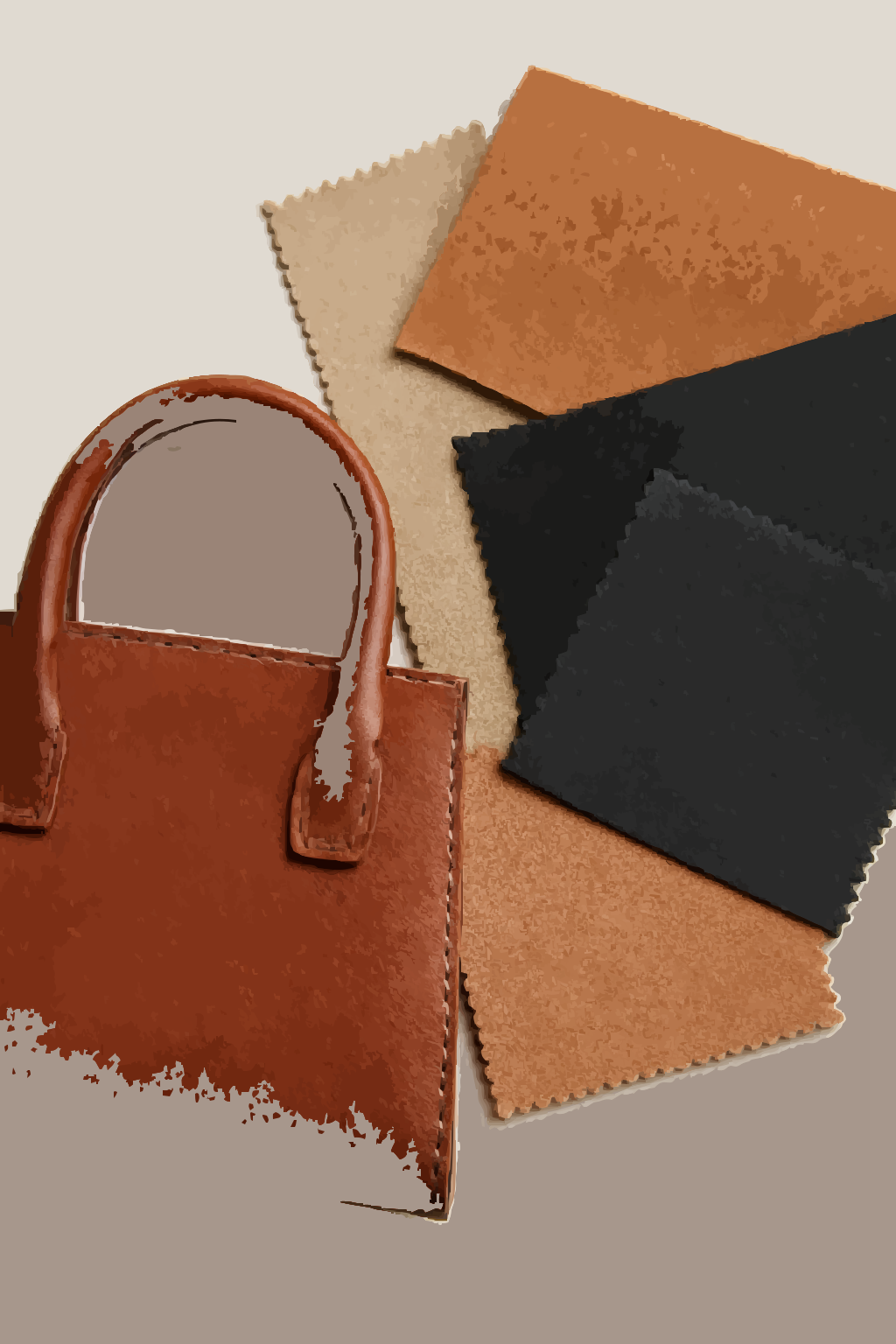
The Rise of Cruelty-Free Fashion
Why Cruelty-Free Fabrics Matter in the Handbag Industry
Cruelty-free fashion refers to products that are made without causing harm to animals. This includes materials that do not involve animal products such as leather, fur, or silk. As awareness of the environmental and ethical impact of traditional leather production grows, many consumers are now looking for alternatives that are both stylish and responsible.
In the context of handbags, leather has long been the material of choice due to its durability and luxurious feel. However, traditional leather production often involves animal cruelty, large amounts of water, and chemicals that are harmful to the environment. As a result, many designers and consumers are now seeking cruelty-free fabric for handbags UK that offers the same high quality without the environmental cost or ethical dilemma.
The global market for vegan and cruelty-free leather products is expanding, with a growing number of brands embracing cruelty-free fabrics. This shift is evident in the handbag industry, where new materials are being developed that are both eco-friendly and animal-free.
The Growing Consumer Demand for Ethical Handbags
Ethical fashion is no longer a niche market. According to a 2020 survey by Nielsen, 66% of global consumers are willing to pay more for sustainable products. This growing preference for cruelty-free and sustainable options is particularly evident in the UK, where many consumers are actively choosing brands that align with their values. For small businesses and established brands alike, offering cruelty-free handbag options is not only a moral imperative but also a sound business strategy.
As more consumers demand cruelty-free alternatives, brands are responding by seeking innovative, eco-friendly materials for their products. These materials range from plant-based leathers to synthetic alternatives that mimic the texture and feel of traditional leather, while also being kind to the planet and its creatures.
Exploring the Best Cruelty-Free Fabric for Handbags UK
1. Bioleather – A Sustainable Alternative Made from Tomato Waste
One of the most exciting innovations in cruelty-free fabric for handbags is Bioleather, a plant-based leather made from tomato waste. This sustainable material offers a high-quality, durable alternative to traditional leather, while also being biodegradable and cruelty-free. Bioleather is made by repurposing food industry by-products—such as tomatoes—that would otherwise go to waste. This innovative material not only reduces food waste but also helps lower the environmental impact of leather production.
Bioleather’s benefits extend beyond sustainability. It is versatile, lightweight, and available in a variety of textures and colours, making it an excellent choice for handbags. Brands that choose Bioleather can offer their customers a premium, eco-friendly alternative to traditional leather without compromising on quality or design.
By sourcing Bioleather, businesses can align themselves with the growing demand for sustainable fashion and differentiate themselves in a competitive market. This plant-based leather is just one example of how the handbag industry is evolving to meet consumer demand for cruelty-free options.
2. Piñatex – Sustainable Leather from Pineapple Leaves
Another popular option for cruelty-free fabric for handbags UK is Piñatex, a vegan leather made from the fibres of pineapple leaves. This innovative material is not only sustainable but also biodegradable, making it an excellent choice for eco-conscious brands. Piñatex is durable, flexible, and lightweight, which makes it ideal for use in handbags, footwear, and accessories.
Piñatex is a by-product of the pineapple industry, which means it helps reduce waste while providing a high-quality alternative to leather. This material has gained recognition in the fashion industry for its sustainability and unique texture, making it a popular choice for both high-end and high-street fashion brands.
3. Apple Leather – Made from Apple Waste
Apple leather is another eco-friendly option for handbags, made from the waste products of apple juice production. This vegan leather is not only durable but also has a soft, smooth texture that makes it an attractive option for high-end handbags. Apple leather is biodegradable and produced with minimal environmental impact, making it a great choice for ethical fashion brands.
This material has gained popularity in the UK market due to its versatility and sustainability. Apple leather can be used for a wide range of products, from handbags to furniture, offering a luxurious feel without the environmental cost of traditional leather.
4. Mushroom Leather (Mycelium)
Mushroom leather, also known as mycelium leather, is made from the root structure of mushrooms. This innovative material is biodegradable, durable, and has a unique texture that makes it an ideal alternative to traditional leather. Mycelium leather is produced in controlled environments, requiring minimal resources and energy, making it one of the most sustainable options available.
Mushroom leather is gaining traction in the fashion industry, particularly in accessories like handbags, where its texture and appearance mimic the look of animal leather. As more brands embrace sustainable alternatives, mushroom leather is expected to become a major player in the cruelty-free fashion market.
Why Choose Cruelty-Free Fabric for Handbags?
1. Aligning with Consumer Values
Choosing cruelty-free fabric for handbags is not just about protecting animals—it’s also about aligning with consumer values. More people are choosing to support brands that demonstrate a commitment to environmental sustainability, social responsibility, and animal welfare. By offering cruelty-free handbags made from sustainable materials, brands can attract ethically-minded customers and build long-lasting brand loyalty.
2. Reducing Environmental Impact
Traditional leather production has significant environmental drawbacks, including deforestation, chemical use, and high water consumption. By opting for cruelty-free fabric like Bioleather, brands can drastically reduce their carbon footprint and contribute to a more sustainable future. These materials are often biodegradable, recyclable, or made from by-products, ensuring that they have minimal environmental impact over their lifecycle.
3. Future-Proofing the Brand
As regulations around sustainability become stricter, businesses that prioritise cruelty-free and eco-friendly materials will be better positioned to succeed in the future. Consumers are increasingly demanding sustainable products, and brands that ignore this trend risk falling behind. Choosing cruelty-free fabrics like Bioleather is not only a responsible choice—it’s a smart business move that ensures long-term success.
Conclusion
The demand for cruelty-free fabric for handbags UK is growing as more consumers seek ethical, sustainable, and high-quality alternatives to traditional leather. With options like Bioleather, Piñatex, and apple leather, small brands and designers can create stylish, eco-friendly handbags that align with consumer values and contribute to a more sustainable future. By choosing cruelty-free fabrics, businesses can make a positive impact on the planet, promote ethical production practices, and stand out in a competitive market.