
As the world becomes more eco-conscious, the demand for sustainable and ethical materials in the fashion, furniture, and accessory industries is growing. For startups in the UK, incorporating sustainable leather into product lines is no longer a luxury but a necessity. As consumers increasingly value sustainability, choosing the right materials can not only enhance a brand’s reputation but also drive long-term business success.
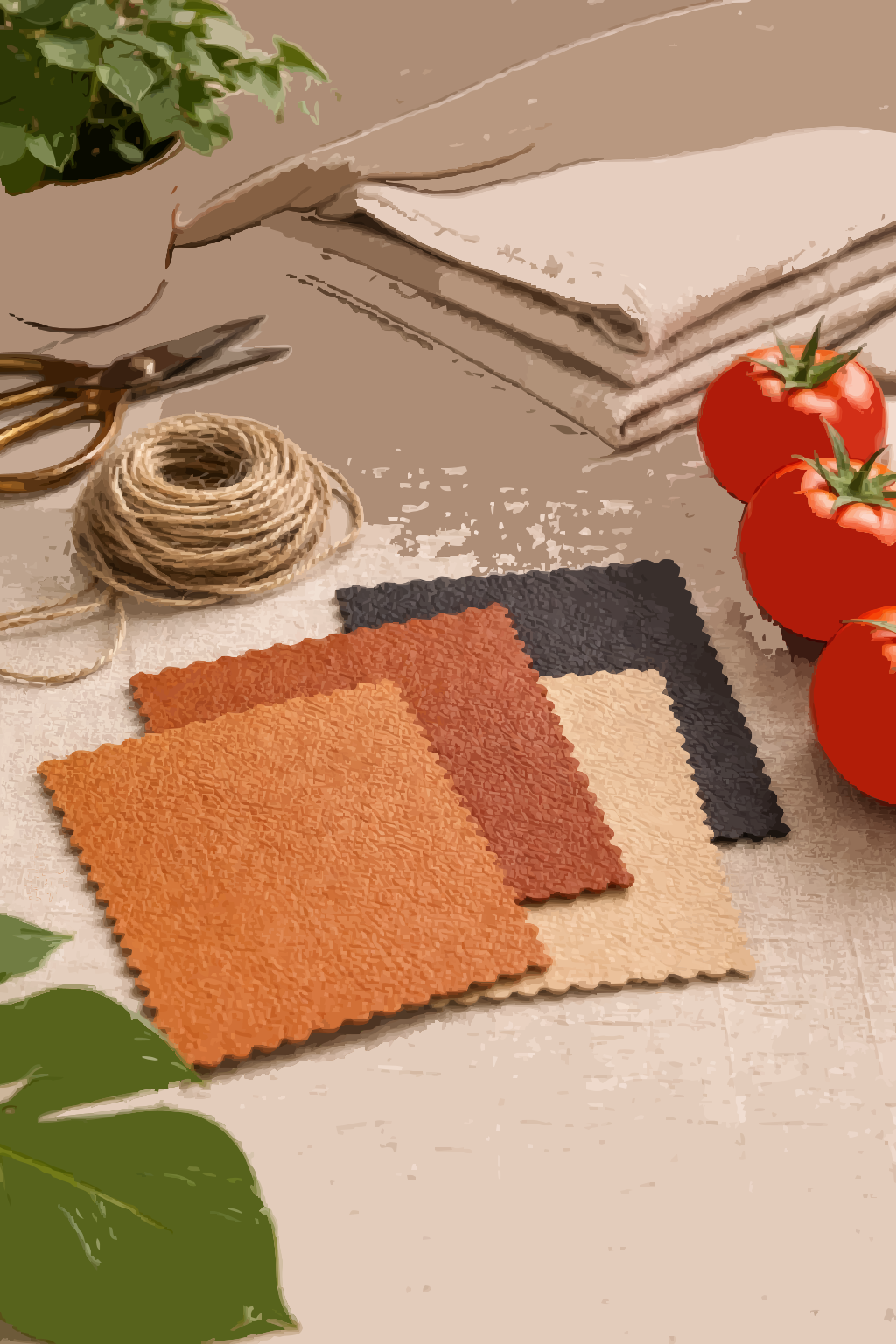
One of the most innovative solutions for startups looking to reduce their environmental impact is sustainable leather alternatives, such as Bioleather—a plant-based leather made from tomato waste. This blog post explores the importance of sustainable leather for startups in the UK, how it can benefit your business, and why materials like Bioleather are leading the charge in eco-friendly fashion and design.
Why Sustainable Leather Matters for Startups in the UK
The Environmental Impact of Traditional Leather
Traditional leather production is associated with several environmental and ethical challenges. The farming of animals for leather contributes to deforestation, excessive water consumption, and greenhouse gas emissions. Moreover, the chemical tanning process used to treat leather is highly polluting, often releasing harmful substances into the environment. As consumers become more aware of the negative environmental impact of traditional leather, the demand for alternatives is growing.
For startups, adopting sustainable leather alternatives not only addresses these environmental concerns but also aligns with the values of today’s eco-conscious consumers. Switching to sustainable materials is a great way to differentiate your brand and build a loyal customer base that values ethical sourcing and environmental responsibility.
Consumer Trends: Demand for Eco-Friendly Products
According to a 2020 McKinsey report, 60% of UK consumers believe it is important to buy from brands that are committed to sustainability. This statistic highlights the growing consumer demand for ethical and sustainable products across all industries, particularly fashion and design. For startups looking to succeed in a competitive market, embracing sustainable leather for startups is a smart move that aligns with both consumer values and industry trends.
As the fashion industry becomes more conscious of its environmental impact, startups have an opportunity to lead the way in adopting sustainable materials. By using sustainable leather, startups not only contribute to the planet’s well-being but also attract a growing base of eco-conscious consumers.
Best Sustainable Leather Options for Startups
1. Bioleather – Tomato Waste Leather
One of the most innovative and sustainable options for leather alternatives is Bioleather, a material made from tomato waste. Bioleather is a plant-based leather substitute that repurposes by-products from the food industry, offering a cruelty-free, biodegradable alternative to traditional leather. This sustainable material is highly durable and versatile, making it an ideal choice for startups in the fashion, furniture, and accessory industries.
Bioleather’s benefits are twofold: it reduces food waste by reusing tomato waste and helps reduce the environmental impact associated with traditional leather production. By choosing Bioleather, startups can position themselves as leaders in sustainability while offering their customers a high-quality, eco-friendly product.
2. Piñatex – Pineapple Leaf Leather
Piñatex, made from the fibres of pineapple leaves, is another sustainable leather alternative that has gained popularity in recent years. This eco-friendly material is not only biodegradable but also strong and lightweight, making it suitable for a wide range of products, from handbags to upholstery. Piñatex is made from agricultural waste, which helps support a circular economy by repurposing natural materials that would otherwise go unused.
For startups in the UK, Piñatex offers a sustainable option that aligns with ethical sourcing practices while providing a unique and innovative material for fashion and design products.
3. Apple Leather
Made from the waste of the apple juice industry, apple leather is a biodegradable, plant-based alternative to traditional leather. The material is processed from apple fibres, making it both eco-friendly and highly durable. Apple leather can be used in a variety of products, including accessories, upholstery, and footwear.
Apple leather has a smooth texture that mimics animal leather, offering a high-end alternative for startups looking to incorporate sustainable materials into their products. As an increasingly popular option, apple leather is a strong contender for businesses committed to sustainability.
4. Mushroom Leather (Mycelium)
Mushroom leather, or mycelium leather, is made from the root structure of mushrooms. This natural material is biodegradable, strong, and flexible, making it an excellent alternative to traditional leather. Mycelium leather is produced using minimal resources and energy, contributing to its sustainability.
Mycelium leather is growing in popularity, particularly for its versatility and eco-friendly production process. Startups in the UK can benefit from this innovative material as it offers a cruelty-free, sustainable alternative that aligns with modern consumer values.
Benefits of Using Sustainable Leather for Startups
1. Eco-Friendly and Sustainable
The primary benefit of using sustainable leather for startups is its reduced environmental impact. Traditional leather production is resource-intensive, requiring large amounts of water, chemicals, and land. By choosing alternatives like Bioleather, startups can reduce their carbon footprint and contribute to a more sustainable future. Plant-based leathers require fewer resources and generate less waste, making them a far more environmentally responsible option.
2. Appealing to Conscious Consumers
As mentioned earlier, a significant number of consumers are willing to pay more for sustainable products. By offering products made from sustainable leather, startups can tap into this growing market of eco-conscious consumers who value sustainability and ethics. Not only does this improve brand image, but it also increases customer loyalty and trust.
3. Differentiating from Competitors
In a crowded market, it’s essential for startups to stand out. Using sustainable leather allows brands to differentiate themselves from competitors who may still be using traditional, less eco-friendly materials. By offering innovative, cruelty-free products, startups can attract a loyal customer base that values sustainability and ethical practices.
4. Cost-Effective Solutions for Small Businesses
Many sustainable leather alternatives are cost-competitive with traditional leather, especially as demand grows and production scales up. As a startup, it’s important to consider the cost of materials, and choosing sustainable leather can be a cost-effective way to reduce environmental impact without breaking the bank. Over time, as production methods become more efficient, the price of plant-based leathers is expected to decrease, making them even more accessible to startups.
Where to Find Sustainable Leather Suppliers in the UK
1. Bioleather Suppliers
For UK startups looking to source sustainable leather, Bioleather is an excellent choice. Several suppliers, such as The Sustainable Fashion Collective, offer Bioleather for businesses in the fashion and design industries. These suppliers provide high-quality, durable, and eco-friendly materials for startups looking to reduce their environmental footprint.
2. The Fabric Company
The Fabric Company offers a selection of sustainable materials, including Bioleather, Piñatex, and other plant-based leathers. They are known for their commitment to eco-friendly and ethical sourcing, making them a trusted supplier for startups in the fashion and design industries.
3. Etsy – Independent Sellers
For smaller startups and independent designers, Etsy offers a range of sustainable leather alternatives. Many independent suppliers sell plant-based leather, including Piñatex, apple leather, and mushroom leather, providing a unique selection of eco-friendly materials for businesses looking to source small quantities or customise their products.
Conclusion
For startups in the UK, adopting sustainable leather alternatives is not just an ethical choice—it’s a smart business decision. As consumer demand for eco-friendly products rises, choosing materials like Bioleather, Piñatex, and apple leather can help businesses stand out, build brand loyalty, and contribute to a more sustainable future. Whether you’re in fashion, furniture design, or accessories, incorporating sustainable leather into your products is a step toward reducing environmental impact and meeting the needs of today’s conscious consumers.