
Introduction
In recent years, the conversation around sustainability has moved from being a niche topic to a central concern for businesses, consumers, and governments alike. The global urgency to address environmental challenges, reduce waste, and curb carbon footprints has prompted new innovations across industries. In the UK, one such innovation is the repurposing of tomato waste—a by-product of the agricultural sector that is often discarded—to create sustainable solutions. This process not only tackles the issue of food waste but also leads to the development of eco-friendly products like Bioleather, a plant-based leather alternative made from tomato waste.
As the UK seeks ways to reduce its carbon footprint and promote circular economies, tomato waste innovation UK is emerging as a critical piece of the puzzle. Whether in fashion, packaging, or bioplastics, this innovation is transforming how we think about waste. But why is this so important right now? According to WRAP (Waste and Resources Action Programme), food waste in the UK alone costs the economy over £20 billion annually. In this post, we’ll explore how tomato waste is being harnessed to create valuable, sustainable materials that could reshape multiple industries.
What is Tomato Waste Innovation?
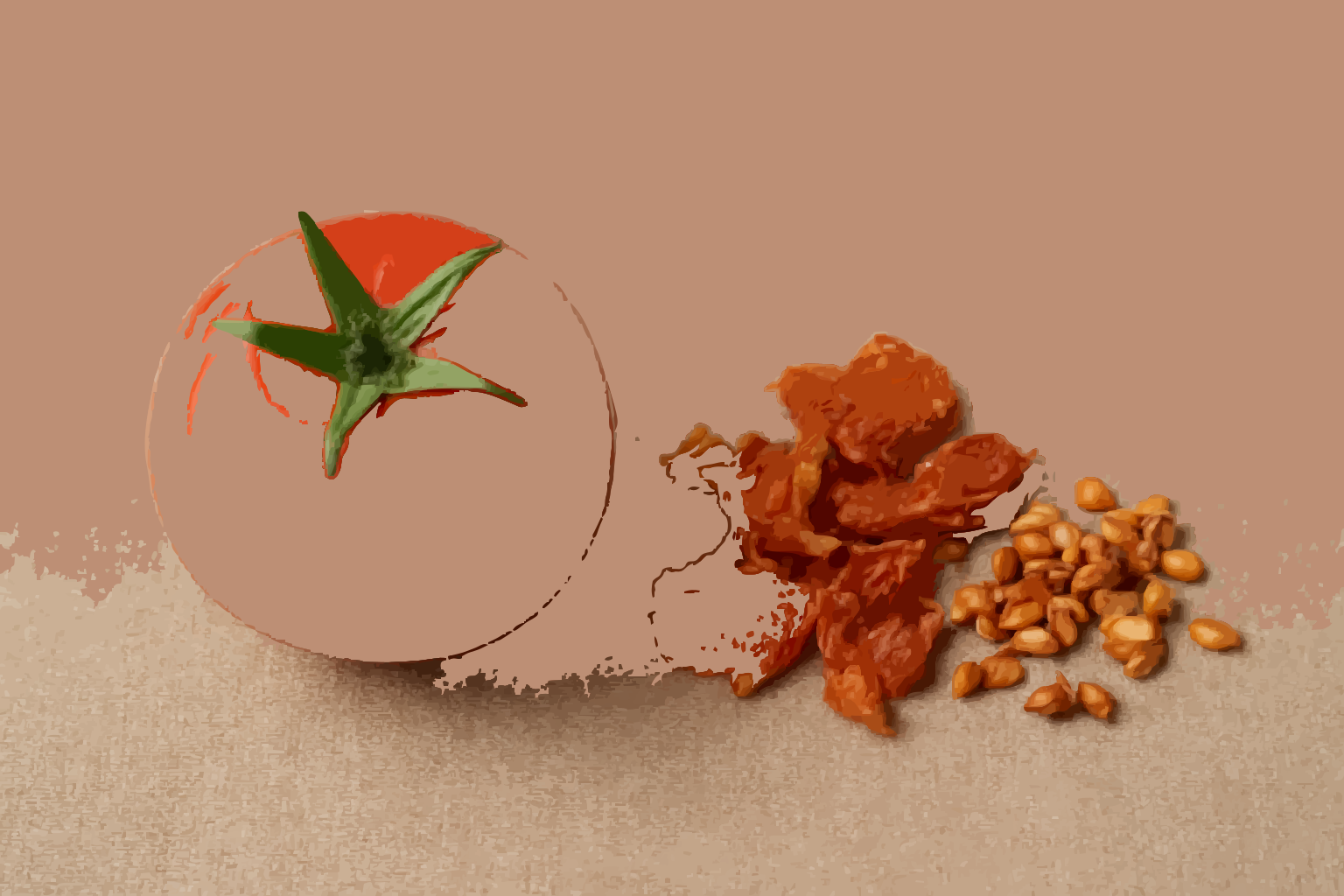
Tomato waste innovation refers to the process of repurposing agricultural by-products, such as tomato skins, stems, and seeds, into valuable materials. In the UK, this innovative practice is gaining traction, particularly in the fashion and manufacturing sectors, where sustainable alternatives to traditional materials are in high demand.
Tomato waste, often seen as a by-product of the food industry, is typically discarded or composted. However, with the rise of sustainability-conscious consumers and businesses, this once-overlooked waste is now being transformed into high-quality, plant-based materials that are both eco-friendly and functional.
Key Applications of Tomato Waste Innovation
The most exciting development in tomato waste innovation UK is the creation of Bioleather—a sustainable, plant-based leather alternative. Bioleather is made from tomato skins, seeds, and stems, which are turned into a durable, flexible material that mimics animal leather in both texture and strength. Unlike traditional leather, which requires animal farming and involves harmful tanning processes, tomato-based leather is completely biodegradable and non-toxic.
Additionally, tomato waste is being explored in other sectors, including packaging, bioplastics, and even food production. The UK’s focus on a circular economy, where waste is reused to create new products, has made tomato waste innovation a key part of the national sustainability agenda.
Reducing Agricultural Waste: A Sustainable Solution
One of the most significant environmental benefits of tomato waste innovation is its ability to reduce agricultural waste. The UK alone produces millions of tonnes of food waste each year, with tomatoes being one of the most commonly discarded fruits. In 2021, UK farmers produced approximately 4.5 million tonnes of tomatoes, with a substantial portion going unused.
By repurposing this waste into valuable products, the agricultural industry can reduce its environmental impact. Instead of tomato by-products being sent to landfills, they are transformed into high-value materials, contributing to a circular economy. This approach not only helps reduce food waste but also supports sustainable farming practices by creating an additional revenue stream for farmers.
Tackling the Food Waste Crisis
According to a report by WRAP, food waste accounts for around 8-10% of global greenhouse gas emissions. By finding new ways to repurpose food waste—like tomatoes—into sustainable materials, the UK is taking a major step towards reducing its carbon footprint. This innovation is part of the broader movement towards zero-waste and sustainability, where every by-product is treated as a potential resource.
Tomato waste innovation, through processes like Bioleather production, is a perfect example of how agriculture can contribute to environmental sustainability. Not only does it tackle food waste, but it also provides a valuable material that can be used in eco-friendly products across various industries.
The Role of Bioleather in Sustainable Fashion
Sustainable fashion is one of the areas where tomato waste innovation is making the biggest impact. Traditional leather production is resource-intensive and contributes significantly to environmental degradation. Animal farming for leather requires vast amounts of land, water, and feed, and it produces significant greenhouse gas emissions.
Bioleather, created from repurposed tomato waste, offers a solution to these environmental issues. Made from plant-based materials, it mimics the qualities of animal leather without the environmental harm. Designers in the UK and worldwide are now incorporating Bioleather into their collections, creating stylish yet sustainable products like handbags, shoes, and jackets.
A Future for Sustainable Fashion
The rise of plant-based alternatives like Bioleather is aligned with the growing demand for sustainable fashion. Consumers are becoming more conscious of the environmental impact of their purchases, and as a result, brands are exploring innovative materials to meet these demands. Bioleather, made from tomato waste, represents a cleaner, more ethical option for fashion products, without compromising on quality or durability.
Tomato Waste in Packaging and Bioplastics
Tomato waste innovation is not limited to fashion. In fact, the material is being used in various applications, particularly in the development of sustainable packaging and bioplastics. Plastics are a significant environmental challenge, with billions of tonnes being produced each year. The shift to bioplastics, made from renewable plant-based materials, offers a promising alternative.
Tomato-based bioplastics, created from tomato waste, are biodegradable and compostable. These materials can be used in packaging, reducing the need for traditional plastic products that take centuries to break down. For example, tomato-based packaging could replace single-use plastic in food packaging, providing a more eco-friendly solution to the plastic waste crisis.
The Circular Economy and Tomato Waste
The circular economy is a key concept in sustainability, focusing on reducing waste and promoting the reuse and recycling of materials. Tomato waste innovation fits perfectly into this model, where agricultural by-products are repurposed into high-value materials for a range of industries. This shift towards a circular economy not only benefits the environment but also creates new business opportunities, making it a win-win solution for both the planet and the economy.
Tomato Waste Innovation and the UK’s Sustainability Agenda
The UK is at the forefront of embracing tomato waste innovation, with businesses and researchers leading the charge to develop sustainable, plant-based alternatives. The government’s commitment to reducing carbon emissions and promoting a circular economy has made innovations like Bioleather and tomato-based bioplastics an essential part of the sustainability agenda.
With initiatives like the UK Plastics Pact and the Circular Economy Package, the UK is creating a regulatory environment that encourages the development of sustainable products made from waste materials. As tomato waste innovation continues to evolve, the UK is well-positioned to become a leader in the global movement towards a more sustainable future.
Conclusion: The Future of Tomato Waste Innovation in the UK
Tomato waste innovation is a promising solution to the UK’s waste problem, transforming agricultural by-products into valuable materials that can be used across multiple industries. From Bioleather in fashion to biodegradable bioplastics in packaging, the potential for tomato waste as a sustainable material is vast.
As we continue to confront global environmental challenges, innovations like tomato waste-based products provide a tangible way forward. Discover how Bioleather is redefining sustainable materials and explore the potential of tomato waste to revolutionise industries in the UK and beyond.