
Introduction
As the world turns more eco-conscious, industries across the globe are seeking sustainable alternatives to traditional materials. One of the latest innovations making waves in the UK is organic tomato leather, a plant-based alternative that’s not only eco-friendly but also made from something you’d never expect—tomato waste. This sustainable material is setting the stage for a new era in fashion, design, and manufacturing.
But why is this so important today? According to recent statistics, the fashion industry is responsible for around 10% of global carbon emissions. With consumers increasingly turning towards sustainable products, materials like organic tomato leather are becoming essential in the push towards a more circular economy. So, let’s dive into what makes this material so revolutionary and how it could change the landscape of sustainable fashion and design.
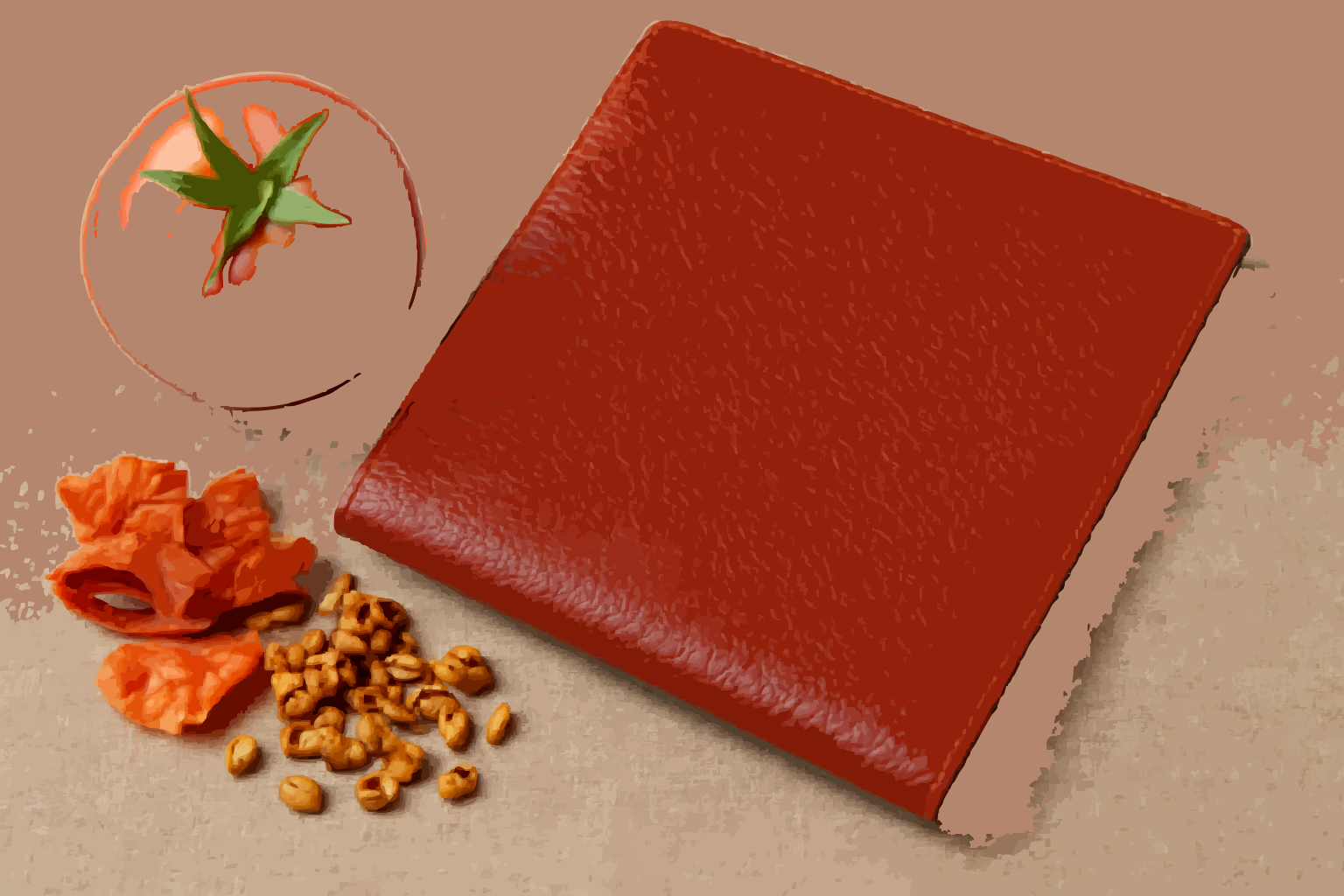
What is Organic Tomato Leather?
Organic tomato leather is a plant-based, sustainable alternative to traditional leather, made from the waste of the tomato industry—specifically, tomato skins, stems, and seeds. These by-products, often discarded as waste, are repurposed to create a durable, flexible material that mimics leather in both look and feel.
Unlike synthetic leather, which is often made from plastic-based materials like PVC or polyurethane, organic tomato leather is completely biodegradable and non-toxic. It can be used in a range of products, from fashion items like bags and shoes to interior design applications such as upholstery and car seats. The key to its innovation lies in the fact that it turns agricultural waste into a high-value product, reducing landfill waste and the environmental footprint of leather production.
How Is Organic Tomato Leather Made?
The process of making organic tomato leather starts with collecting tomato waste from farms and processing plants. Instead of letting these materials go to waste, they are cleaned and transformed into a pulp. This pulp is then mixed with natural binding agents, such as starch and plant-based oils, and processed into sheets that are similar in texture and appearance to animal leather.
The final product is a versatile material that is lightweight, durable, and can be easily dyed or printed, just like traditional leather. The process is not only sustainable but also adds value to what would otherwise be discarded as waste, making it a perfect example of upcycling in action.
The Environmental Benefits of Organic Tomato Leather
Reducing Agricultural Waste
One of the key environmental benefits of organic tomato leather is its ability to reduce agricultural waste. The UK alone produces tons of tomato waste each year, particularly during the harvesting and processing stages. By converting this waste into a valuable product, the production of organic tomato leather helps close the loop on the food industry’s by-products, preventing them from ending up in landfills.
According to a study by the Waste and Resources Action Programme (WRAP), around 3.6 million tonnes of food waste are generated annually in the UK, with fruit and vegetables being a significant contributor. Organic tomato leather offers a unique solution to this problem, transforming waste into a sustainable resource.
Reducing the Carbon Footprint
Leather production, particularly traditional animal leather, has a significant environmental impact. The process of raising livestock, tanning, and dyeing leather releases harmful chemicals and contributes to deforestation, methane emissions, and water consumption. In contrast, organic tomato leather is made using renewable, plant-based materials, reducing both its carbon footprint and water usage. Additionally, since the production process doesn’t involve the use of harmful chemicals, it’s a much cleaner alternative to synthetic leathers, which often release microplastics.
Organic Tomato Leather in the UK Fashion Industry
The UK fashion industry has long been known for its innovation, and organic tomato leather is no exception. With growing consumer demand for sustainable products, brands are increasingly turning to eco-friendly materials like organic tomato leather to create stylish, sustainable fashion.
High-end fashion brands and eco-conscious designers have already begun experimenting with this material. From handbags and shoes to jackets and wallets, the possibilities for incorporating organic tomato leather into fashion are vast. Not only does it provide a more sustainable option, but it also offers a unique texture and look that traditional leather cannot replicate.
One notable example is Bioleather, a brand that has gained attention for its use of plant-based leathers like organic tomato leather. By using tomato waste as the primary raw material, Bioleather is creating a range of stylish products while also contributing to a more sustainable, circular economy.
The Role of Organic Tomato Leather in Interior Design and Manufacturing
In addition to its use in fashion, organic tomato leather is also finding a place in interior design and manufacturing. From car seats to furniture, this sustainable material is being used to replace traditional leather in a variety of applications.
One of the most exciting possibilities for organic tomato leather is in automotive design. Car manufacturers are beginning to explore plant-based materials as part of their commitment to sustainability. Organic tomato leather, being durable and versatile, is an ideal candidate for car interiors, offering a high-quality, eco-friendly alternative to animal leather and synthetic materials.
The interior design sector is also seeing a rise in the use of organic tomato leather for items like sofas, cushions, and wall coverings. This material provides a unique texture that combines the elegance of leather with the eco-friendliness of plant-based materials, making it an attractive option for sustainable design enthusiasts.
Is Organic Tomato Leather the Future of Sustainable Materials in the UK?
The rise of organic tomato leather in the UK is just one example of the growing demand for sustainable, plant-based materials in various industries. As consumers and brands alike become more conscious of the environmental impact of their choices, innovations like organic tomato leather are set to redefine the way we think about materials in the fashion and design worlds.
While still in its early stages, organic tomato leather is poised to make a significant impact in the UK and beyond. Its ability to reduce waste, lower carbon emissions, and offer a sustainable alternative to animal and synthetic leather makes it a material worth watching in the years to come.
Conclusion: Discover the Future of Sustainable Materials
The innovation of organic tomato leather material in the UK is a perfect example of how sustainable practices can lead to exciting new products. By transforming agricultural waste into a high-quality, versatile material, this alternative to traditional leather is not only environmentally friendly but also offers a unique and stylish option for fashion and design.
As sustainability continues to be a driving force in industries worldwide, organic tomato leather stands as a promising solution to some of the planet’s most pressing environmental issues.