
Introduction: Why Circular Design Materials UK Are Crucial Today
The fashion industry is one of the largest polluters globally, contributing to a significant amount of waste and carbon emissions. The current “take-make-dispose” model has placed a massive strain on natural resources, with over 92 million tonnes of textile waste produced every year. As global awareness of the environmental impact of fashion rises, a paradigm shift is taking place. Circular design materials are emerging as a sustainable solution, particularly in the UK, where businesses and consumers are increasingly demanding more responsible alternatives.
Circular design materials in the UK are revolutionising fashion by focusing on sustainability, reducing waste, and fostering a more responsible approach to production and consumption. This approach ensures that products and materials are designed for reuse, recycling, and repurposing. One prime example of this innovation is Bioleather, a sustainable leather alternative made from tomato waste, which embodies the principles of circular design while offering an eco-friendly solution. In this post, we’ll explore the importance of circular design materials, their benefits, and how they are shaping the future of fashion in the UK.
What Are Circular Design Materials?
Circular design materials are resources specifically chosen or developed to support a circular economy. Unlike the traditional linear economy, which follows the pattern of “take, make, dispose,” a circular economy focuses on reusing, recycling, and repurposing products to extend their lifecycle and minimise waste. The goal is to create a closed-loop system where materials are continually reused, reducing the need for new resources and ensuring minimal environmental impact.
In the UK, brands and designers are increasingly adopting circular design principles to tackle the growing environmental crisis. This includes using biodegradable materials, recycled fabrics, and plant-based alternatives to reduce the reliance on fossil fuels and natural resources. Circular design materials in the UK are not just a trend but a fundamental shift in how products are created and consumed, particularly in the fashion industry.
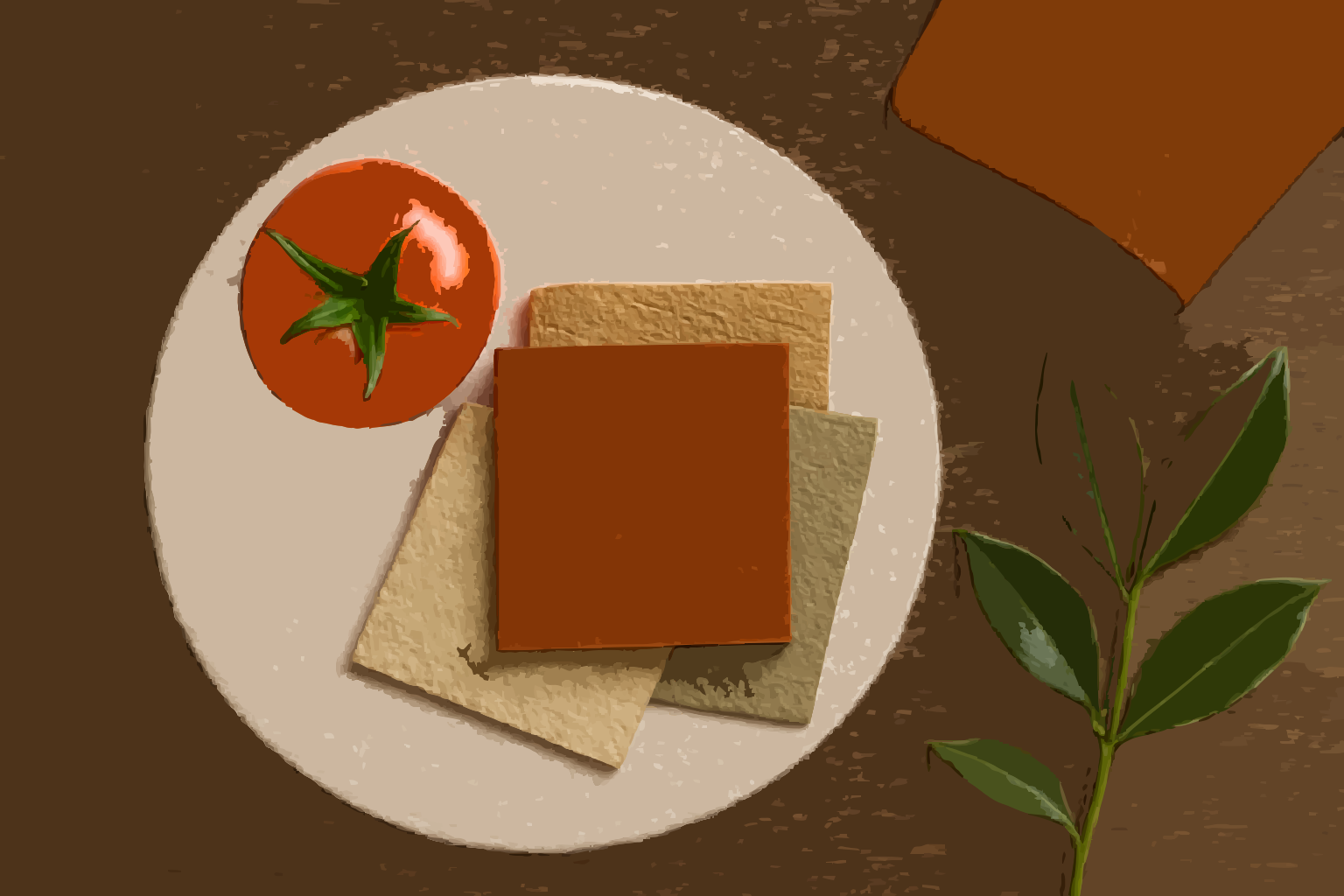
For instance, Bioleather, made from agricultural waste like tomato skins, is an excellent example of circular design in practice. By transforming what would otherwise be discarded into a high-quality, plant-based leather alternative, Bioleather exemplifies the potential of circular materials in fashion. This innovation not only reduces waste but also contributes to a more sustainable and ethical approach to leather production.
The Environmental Benefits of Circular Design Materials
The environmental advantages of circular design materials are vast. The traditional fashion industry is notorious for its resource-intensive production processes, leading to substantial waste and carbon emissions. Circular design materials, on the other hand, aim to reduce these negative impacts by focusing on sustainability at every stage of the product lifecycle.
- Reduced Waste: One of the key benefits of circular design materials is the reduction of waste. By using materials that can be recycled, upcycled, or repurposed, fashion brands can significantly decrease the amount of clothing and textiles that end up in landfills. According to the Ellen MacArthur Foundation, 87% of the material used to make clothing ends up incinerated or in a landfill.
- Lower Carbon Footprint: Circular materials typically have a lower carbon footprint compared to conventional textiles. For example, materials like Bioleather, made from tomato waste, have a much lower environmental impact than traditional animal-based leather. Additionally, using recycled fibres or fabrics prevents the need for new raw materials, saving energy and reducing carbon emissions.
- Preservation of Resources: Circular design materials promote the efficient use of resources by reusing and recycling materials that would otherwise be wasted. By designing products that are durable, recyclable, and made from sustainable materials, brands contribute to preserving natural resources like water, energy, and land.
In the UK, which has ambitious sustainability goals, the adoption of circular design materials is a key strategy in achieving carbon neutrality and reducing waste. With the UK government’s commitment to reaching net-zero carbon emissions by 2050, businesses that embrace circular design principles will play a pivotal role in shaping a sustainable future.
Innovations in Circular Design: The Role of Bioleather and Other Sustainable Alternatives
Circular design materials in the UK are not limited to recycled fabrics and biodegradable textiles. The rise of innovative plant-based materials, like Bioleather, demonstrates the potential for sustainable alternatives in fashion. Bioleather, made from agricultural waste such as tomato skins, is a prime example of how the circular economy can be applied to fashion. Not only does it reduce waste by repurposing food by-products, but it also offers a cruelty-free and eco-friendly alternative to traditional leather.
Bioleather is biodegradable, chemical-free, and requires fewer resources to produce compared to animal leather. By integrating materials like Bioleather into their collections, UK fashion brands can reduce their environmental impact and meet the growing demand for ethical, sustainable products. Additionally, Bioleather has been proven to be just as durable and versatile as traditional leather, making it a perfect option for everything from clothing and accessories to footwear and upholstery.
Other examples of circular design materials in the UK include recycled polyester, organic cotton, and hemp. These materials are increasingly being used by designers to create eco-friendly collections that align with the principles of the circular economy. By shifting towards these sustainable materials, fashion brands can reduce their environmental footprint while offering consumers high-quality, ethical products.
The Economic Potential of Circular Design Materials in the UK
In addition to the environmental benefits, circular design materials also offer significant economic opportunities. As consumers increasingly demand sustainable products, there is a growing market for circular fashion in the UK. According to a report by GlobalData, 48% of UK consumers are willing to pay more for sustainably produced products. This shift in consumer behaviour presents a huge opportunity for UK brands to capitalise on the growing demand for eco-friendly fashion.
Furthermore, the adoption of circular design materials can help UK fashion businesses reduce costs in the long run. By using recycled or renewable materials, companies can reduce their reliance on expensive raw materials, which are subject to price fluctuations. Additionally, adopting circular practices can lead to greater efficiency in production, resulting in cost savings and improved profit margins.
The UK is well-positioned to lead the way in circular fashion, with its strong fashion industry, supportive government policies, and growing consumer demand for sustainable products. By investing in circular design materials, UK brands can differentiate themselves in a competitive market and contribute to the country’s sustainability goals.
Overcoming Challenges and Embracing the Future of Circular Design Materials
While the shift to circular design materials in the UK is promising, it is not without its challenges. One of the biggest obstacles is the scalability of sustainable materials. Bioleather, for example, is still in the early stages of production, and while demand for sustainable alternatives is growing, the supply of circular materials may not yet be sufficient to meet the needs of the entire fashion industry.
Another challenge is the cost of producing circular design materials. While sustainable alternatives like Bioleather can offer long-term environmental and economic benefits, the initial cost of production can be higher than traditional materials. However, as production scales and demand grows, these costs are expected to decrease, making circular design materials more accessible to brands and consumers alike.
Despite these challenges, the future of circular design materials in the UK is bright. As technology advances and consumer demand for sustainable products increases, the fashion industry will continue to innovate and adapt. Circular design is not just a trend but a fundamental shift in how we produce and consume fashion.
Conclusion: Leading the Way with Circular Design Materials
Circular design materials in the UK are reshaping the future of fashion by providing sustainable alternatives to traditional textiles. From plant-based leathers like Bioleather to recycled fabrics and biodegradable textiles, the UK fashion industry is embracing innovation to create products that reduce waste, conserve resources, and lower carbon emissions.
As the UK works towards its sustainability goals, circular design materials will play a crucial role in reducing the environmental impact of fashion. By adopting these innovative solutions, UK fashion brands can not only reduce their carbon footprint but also meet the growing demand for eco-friendly products.