
Introduction
The fashion and design industries are facing growing pressure to reduce their environmental impact, with leather production being one of the most significant contributors to global carbon emissions. From the livestock required for traditional leather to the toxic chemicals used in its tanning process, conventional leather production takes a heavy toll on the environment. With the UK’s commitment to achieving net-zero emissions by 2050, there is a pressing need to find low-impact leather alternatives that offer the same quality and durability without compromising the planet.
One of the most promising solutions is Bioleather, a plant-based, low-impact leather alternative made from waste tomato skins and seeds. This innovative material has the potential to revolutionise industries ranging from fashion and furniture design to automotive interiors. In this blog post, we’ll explore the rise of low-impact leather alternatives in the UK, the benefits of these materials, and how they can help reduce our collective environmental footprint.
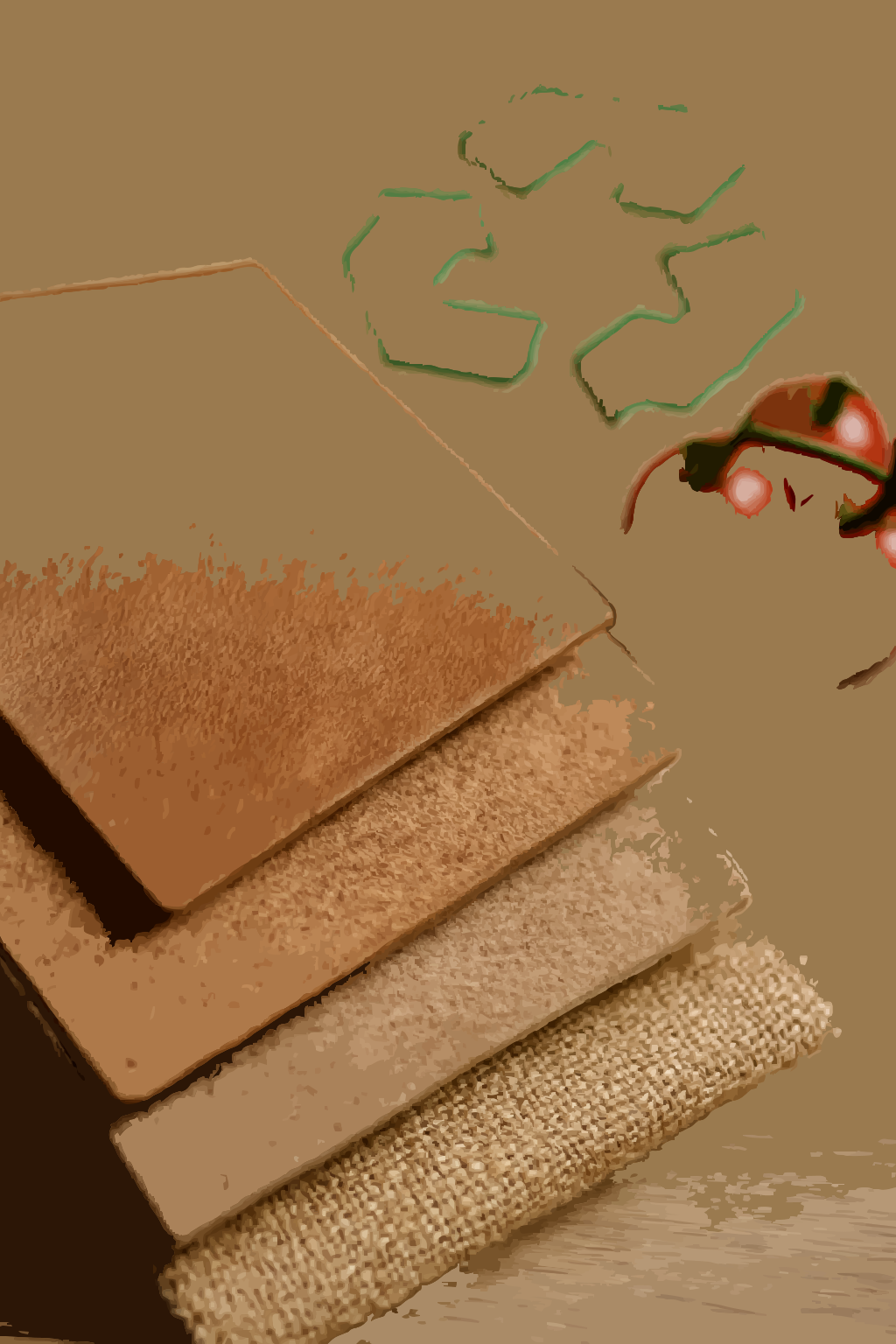
What Is a Low-Impact Leather Alternative?
A low-impact leather alternative refers to materials that replicate the look, feel, and durability of traditional leather but with far less environmental cost. These alternatives are designed to address the various environmental concerns associated with animal-based and synthetic leather, including high carbon emissions, resource-intensive production processes, and the use of harmful chemicals.
Low-impact leather alternatives are typically made from:
- Plant-based materials like mushrooms, fruit, and agricultural waste.
- Recycled materials that repurpose post-consumer waste, such as plastic bottles or textile scraps.
- Sustainable, biodegradable options that do not contribute to landfill waste.
The development of these materials aligns with the UK’s sustainability goals, offering eco-conscious consumers a way to enjoy high-quality leather alternatives that are far less damaging to the planet.
Why Low-Impact Leather Alternatives Matter in the UK
The environmental impact of traditional leather is undeniable. Leather production contributes to:
- Deforestation: Forests are cleared to make space for livestock grazing, leading to habitat loss and biodiversity decline.
- Water and chemical pollution: The tanning process often involves toxic chemicals such as chromium, which pollute water sources.
- Greenhouse gas emissions: The livestock farming required for leather production is a major source of methane, a potent greenhouse gas.
In the UK, the demand for sustainable alternatives to leather is rapidly increasing. As more consumers and businesses realise the environmental cost of conventional leather, they are actively seeking low-impact leather alternatives that reduce harm and support circular economy principles. According to Mintel’s 2022 report, 55% of UK consumers are willing to pay more for products made from sustainable materials. This reflects a growing market for ethical fashion, furniture, and accessories that prioritise sustainability.
Innovative Low-Impact Leather Alternatives in the UK
1. Bioleather: A Plant-Based Leather Made from Tomato Waste
One of the most exciting low-impact leather alternatives currently making waves in the UK is Bioleather. This innovative material is made from the skins and seeds of tomatoes, which are by-products of the food industry. By repurposing agricultural waste, Bioleather helps prevent landfill waste while offering a climate-positive material that absorbs more CO2 than is emitted during its production process.
Benefits of Bioleather:
- Carbon-negative: Bioleather’s production reduces more CO2 than it generates.
- Cruelty-free: Made entirely from plant-based materials, Bioleather does not require the use of animals.
- Biodegradable: Unlike synthetic leather, Bioleather can decompose naturally at the end of its lifecycle.
- Versatile: It can be used in fashion, upholstery, footwear, and even automotive interiors.
With its sustainable, low-impact properties, Bioleather is an excellent example of the future of leather alternatives in the UK.
2. Mycelium Leather: Fungi-Based Sustainability
Mycelium leather is another innovative and low-impact leather alternative growing in popularity. Made from the root structure of fungi, mycelium is fast to grow and requires minimal resources, making it an excellent sustainable option. Mycelium leather has a texture and appearance similar to traditional leather but is far less resource-intensive to produce.
Key Benefits:
- Fast-growing: Mycelium can be cultivated in a matter of weeks, requiring little water or land.
- Customisable: It can be tailored to specific textures, thicknesses, and finishes, making it suitable for a variety of applications.
- Biodegradable: Like Bioleather, mycelium leather is completely biodegradable, offering a circular solution to fashion and design industries.
As companies like Ecovative continue to refine mycelium technology, it’s likely that this low-impact leather alternative will become a mainstream material in the UK.
3. Piñatex: A Sustainable Alternative Made from Pineapple Leaves
Another exciting low-impact leather alternative gaining attention in the UK is Piñatex, made from the fibres of pineapple leaves. This material, which is durable, lightweight, and flexible, is a great substitute for traditional leather and can be used in everything from bags and shoes to upholstery.
Advantages of Piñatex:
- Waste reduction: Piñatex repurposes agricultural waste (pineapple leaves) that would otherwise be discarded.
- Minimal environmental impact: It requires fewer resources, such as water and chemicals, compared to conventional leather.
- Durability: Piñatex is strong and long-lasting, making it an excellent choice for high-traffic applications like footwear.
Piñatex provides another innovative, plant-based solution for those looking for low-impact leather alternatives in the UK.
4. Recycled Leather and Fabric Blends
Recycled leather blends are gaining traction as a low-impact leather alternative in the UK. Made from post-consumer waste such as leather scraps or textile offcuts, these materials are reprocessed and bound together into new sheets. While not fully plant-based, recycled leather blends offer a more sustainable option than virgin leather, helping to reduce waste and minimise the need for new raw materials.
Benefits:
- Reduces waste: Recycled leather and fabric blends help divert waste from landfills.
- Energy-efficient: The production process typically uses less energy than manufacturing virgin leather.
- Versatile: These materials can be used in a variety of applications, including fashion accessories, furniture, and car interiors.
The Role of the UK in Promoting Low-Impact Leather Alternatives
The UK has become a leader in low-impact leather alternatives, with a growing number of designers, manufacturers, and retailers embracing sustainable materials. This shift is driven by both consumer demand and government commitments to sustainability. The UK government’s target of achieving net-zero emissions by 2050 has spurred innovation in green technologies and materials, with the fashion, furniture, and automotive industries among the key sectors adopting eco-friendly solutions.
Additionally, many UK-based brands are championing the use of sustainable materials in their collections. Brands like Stella McCartney and Burberry are integrating low-impact leather alternatives into their offerings, setting a new standard for ethical fashion.
Conclusion: Low-Impact Leather Alternatives Are the Future
As we’ve explored, low-impact leather alternatives are becoming a key part of the UK’s sustainable future. From Bioleather, made from tomato waste, to mycelium leather and Piñatex, these materials offer environmentally responsible options that reduce the negative impacts of traditional leather production.
As consumer demand for ethical, sustainable products grows, these innovations provide an exciting glimpse into the future of fashion, furniture, and automotive design. By choosing low-impact leather alternatives, businesses can reduce their environmental footprint while meeting the needs of eco-conscious consumers.