
Introduction
The demand for sustainable design solutions is at an all-time high, with consumers and businesses alike recognising the need to reduce environmental impact across industries. One area where this shift is particularly noticeable is in the use of sustainable surface materials. Whether for interior design, construction, or product development, choosing the right materials can make a significant difference in reducing carbon footprints and enhancing overall sustainability. In the UK, the push for eco-friendly surface materials is not just about meeting environmental goals—it’s about creating a future where industries work in harmony with nature.
From recycled plastics to plant-based leather alternatives, sustainable surface materials are revolutionising the way we build, design, and produce. In this post, we’ll explore the most exciting developments in sustainable surface materials in the UK, highlighting examples like Bioleather, a plant-based leather made from tomato waste, that are paving the way for a more sustainable future.
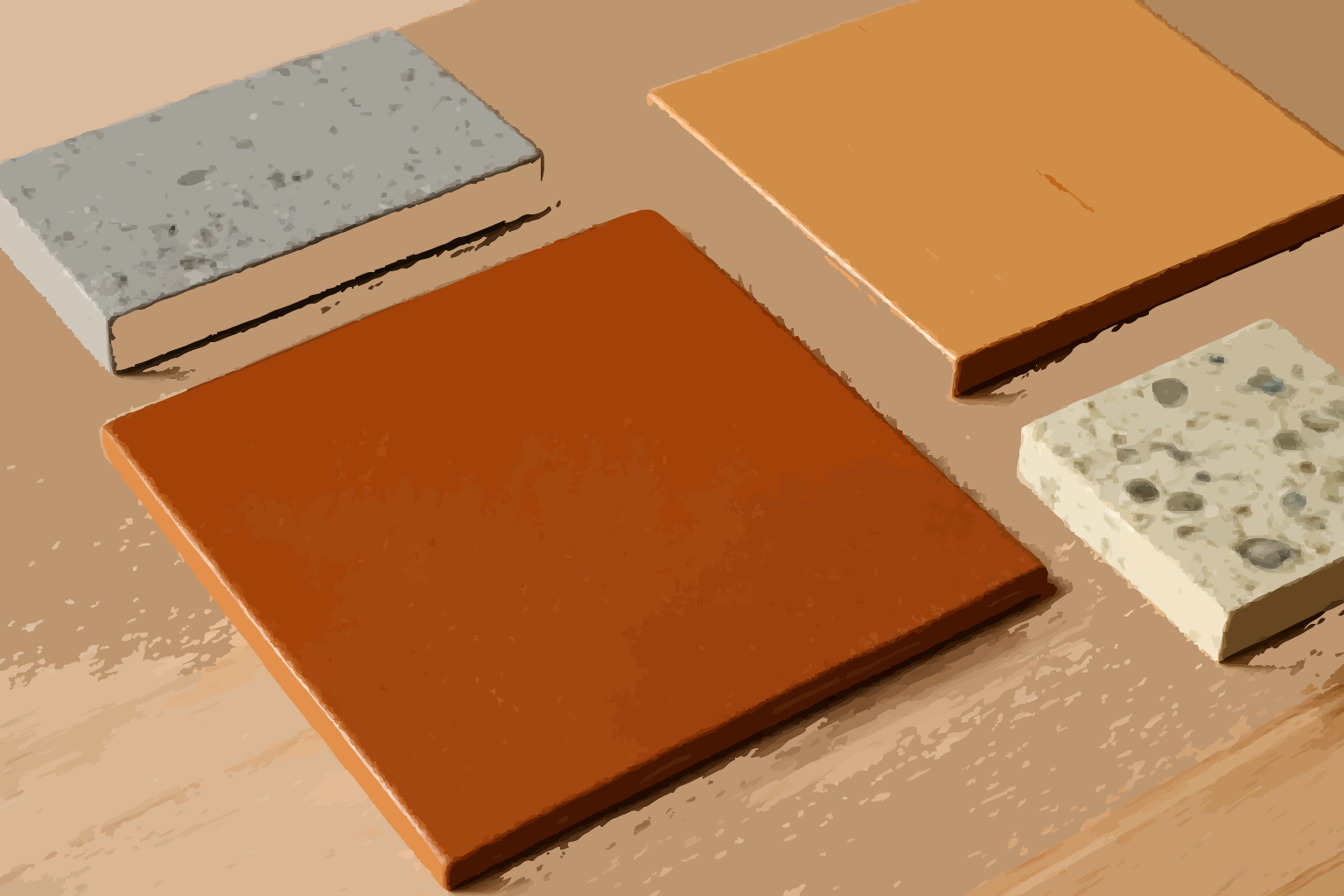
What Are Sustainable Surface Materials?
Sustainable surface materials refer to materials that are produced, sourced, and used in a way that minimises their environmental impact. These materials are typically renewable, recyclable, or made from waste products, and they contribute to reducing the depletion of natural resources. By using sustainable surface materials, industries can significantly cut down on carbon emissions, reduce waste, and contribute to a more circular economy.
In the UK, sustainable surface materials are increasingly being used in sectors ranging from construction and interior design to fashion and automotive design. These materials include everything from eco-friendly wood alternatives to plant-based leather, each with unique environmental benefits. Choosing these materials is no longer just a trend—it’s a crucial step in the global effort to combat climate change and create more sustainable industries.
The Importance of Sustainable Surface Materials in the UK
The UK government has committed to reducing greenhouse gas emissions to net-zero by 2050, a target that can only be achieved through a wide-scale shift to sustainable materials. The building and construction sectors, for example, are major contributors to carbon emissions, making the transition to sustainable materials vital for meeting climate goals. According to the UK Green Building Council, the construction industry alone is responsible for around 40% of the UK’s carbon emissions. By embracing sustainable surface materials, this sector can reduce its environmental impact significantly.
Moreover, there’s growing consumer demand for products made from eco-friendly materials. According to a recent Mintel survey, 52% of UK consumers are actively seeking out products made from sustainable materials. This shift in consumer behaviour is forcing industries to innovate, adopting new sustainable solutions to meet the demands of the modern market.
Key Sustainable Surface Materials Transforming the UK Market
1. Bioleather: A Game-Changer in Sustainable Fashion and Design
Bioleather is an innovative, plant-based alternative to traditional leather that’s gaining popularity in various industries, including fashion, automotive, and furniture design. Made from tomato waste, Bioleather offers a sustainable solution to the environmental issues posed by animal leather and petroleum-based synthetic leather alternatives. Not only does Bioleather significantly reduce carbon emissions compared to animal leather production, but it also uses food waste that would otherwise end up in landfills, making it a climate-positive material.
Bioleather’s versatility, durability, and aesthetic appeal make it a strong contender in surface materials, particularly for products like upholstery, footwear, and accessories. Its ability to mimic the look and feel of traditional leather, while being biodegradable and cruelty-free, positions Bioleather as a leader in sustainable material innovation.
Expert Insight: Dr. Chloe Brimicombe, a sustainability expert, notes, “Materials like Bioleather represent the future of sustainable product design. They not only reduce environmental impact but also offer a practical, high-quality alternative to conventional materials, ensuring that sustainability doesn’t come at the cost of functionality.”
2. Recycled Plastics and Composite Materials
Recycling has become a central focus for achieving sustainability across many industries, and the use of recycled plastics and composite materials is an excellent example of this. In the UK, a growing number of designers and manufacturers are using recycled plastics to create surface materials that can be used in everything from furniture to flooring and countertops.
These materials not only help divert plastic waste from landfills but also lower the need for virgin plastic production, which is energy-intensive and resource-depleting. Companies like Plastic Whale are transforming waste plastic into sustainable design materials, contributing to the circular economy and reducing the overall environmental footprint.
3. Bamboo and Hemp-Based Materials
Bamboo and hemp are two of the most sustainable raw materials being used in surface design today. Both of these plants are fast-growing, requiring minimal water and no pesticides, making them an environmentally friendly choice.
In the construction industry, bamboo flooring and hemp-based composite materials are becoming increasingly popular due to their strength, durability, and eco-friendly properties. Bamboo is also biodegradable, making it a great choice for companies looking to reduce waste. Additionally, hempcrete, a hemp-based concrete alternative, is gaining attention as a sustainable building material.
Expert Insight: “As an architect and designer, incorporating bamboo and hemp into my projects has been transformative. Not only are these materials lightweight and durable, but they also offer an eco-friendly alternative to traditional construction materials that have a much higher environmental cost,” says architect Emma Grant.
4. Recycled Wood and Timber Alternatives
Sustainably sourced and recycled wood is one of the most popular materials used in surface design, particularly in interior design and furniture manufacturing. By sourcing wood from certified, sustainably managed forests or using recycled timber from old furniture, designers are reducing the need for new logging, which can lead to deforestation and habitat destruction.
Furthermore, timber alternatives like mycelium-based composites are emerging as innovative, sustainable options. Mycelium, the root system of fungi, can be cultivated to create a strong, lightweight material that can be used in furniture, flooring, and other surface applications.
5. Natural Stone and Recycled Glass
Natural stone is often viewed as a sustainable material due to its durability and longevity. When sourced responsibly, it can be a long-lasting solution for countertops, flooring, and wall coverings. Similarly, recycled glass is becoming more widely used in surface applications. By repurposing waste glass, manufacturers can create beautiful, durable surfaces without the environmental cost of mining new materials.
Both natural stone and recycled glass are highly durable, meaning they require fewer replacements over time, making them a more sustainable choice in the long run.
How the UK is Leading the Charge in Sustainable Surface Materials
The UK has become a hub for innovation in sustainable surface materials, with both businesses and government pushing forward green initiatives. Many UK-based companies are leading the way in using sustainable materials, not only to meet environmental targets but also to cater to the growing demand for eco-conscious products.
The UK government’s commitment to reaching net-zero carbon emissions by 2050 has spurred investment in green technologies and sustainable design solutions. Additionally, design-focused events like London Design Festival are increasingly highlighting sustainable products, with many exhibitors showcasing sustainable surface materials as part of their collections.
As the demand for sustainable materials continues to rise, the UK will remain at the forefront of innovation, helping to shape a more sustainable future for industries worldwide.
Conclusion: Embracing Sustainable Surface Materials for a Greener Future
The use of sustainable surface materials is no longer an option—it’s a necessity. As we’ve explored, materials like Bioleather, recycled plastics, bamboo, and mycelium composites are revolutionising the design and construction industries in the UK. These materials offer practical, eco-friendly alternatives to traditional surfaces, helping to reduce environmental impact while maintaining the quality and durability that consumers and businesses expect.
The UK is leading the way in adopting these materials, and as more industries embrace sustainability, the potential for innovation is endless. By choosing sustainable surface materials, we can contribute to a greener, more circular economy and pave the way for a more sustainable future.